

- 1. What is Quercetin and Why is it Called "Nature's Benadryl"?
- 2. Quercetin for Dogs Dosage Chart (By Body Weight)
- 3. How to Administer Quercetin: Best Time & Bromelain Synergy
- 4. Top 4 Health Benefits for Allergic Dogs
- 5. Safety, Potential Side Effects & Precautions
- 6. Why Supplements Alone Aren't Enough (The Diet Connection)
- 7. Frequently Asked Questions (FAQ)
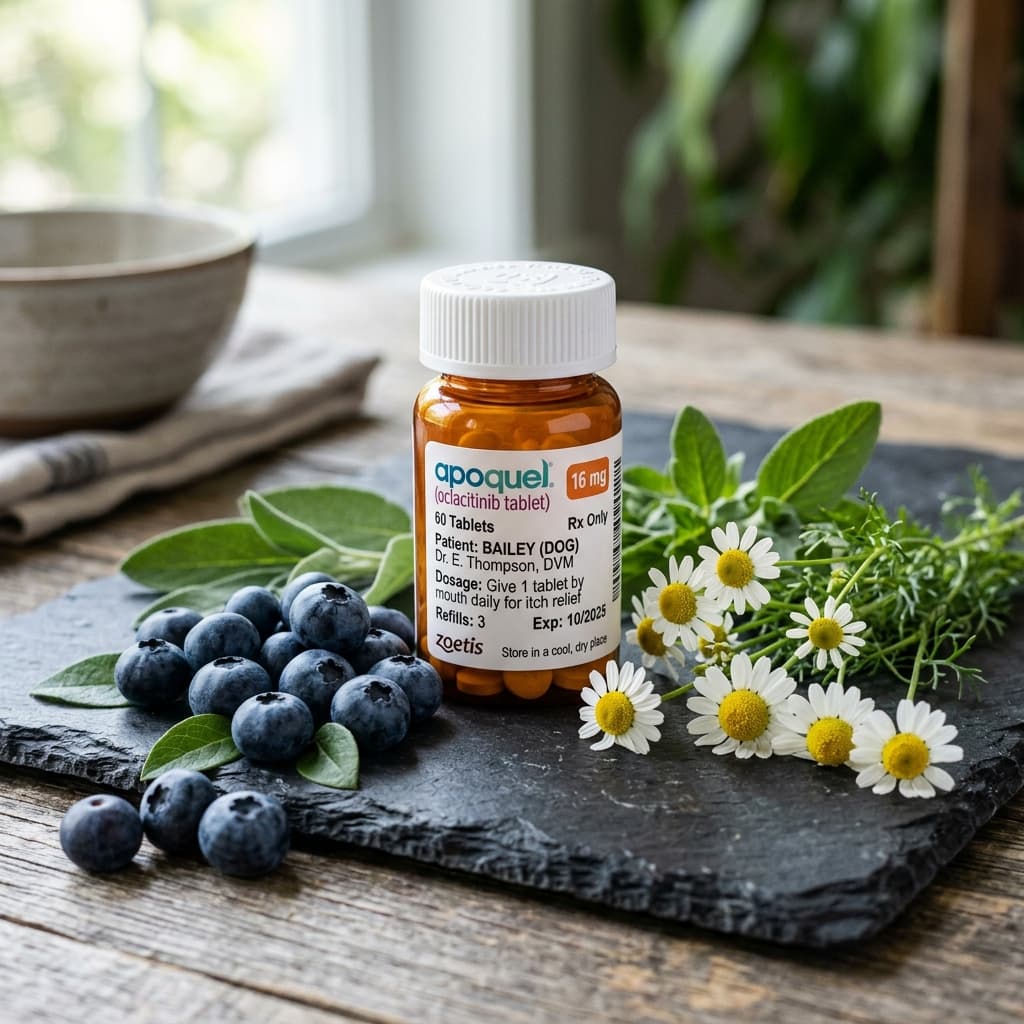
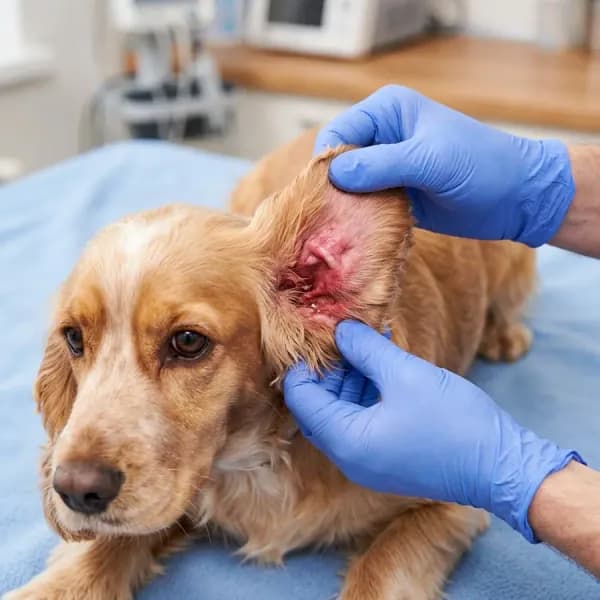
Watching your dog scratch their skin until it bleeds, bite their paws red raw, or shake their head from painful ear flare-ups is heartbreaking. When severe itching strikes, veterinarians often prescribe synthetic antihistamines (like Benadryl) or heavy immune-suppressants (like Apoquel and Cytopoint). While they offer short-term relief, synthetic drugs can cause lethargy, dry mouth, or suppress your dog's immune system.
Fortunately, holistic veterinarians have long relied on a powerful, clinically supported natural alternative: Quercetin. Known widely as "Nature's Benadryl", this plant flavonoid calms allergic inflammation and stops itching directly at the cellular level.
1. What is Quercetin and Why is it Called "Nature's Benadryl"?
Quercetin is a natural polyphenolic flavonoid found in the skins of apples, blueberries, cranberries, and leafy greens. In the body, it acts as a potent mast-cell stabilizer and antioxidant.
When an allergic dog encounters an allergen (such as pollen, mold, dust mites, or chicken protein), specialized immune cells called mast cells burst open, flooding the bloodstream with histamines. These histamines cause severe itching, redness, swollen paws, and hives.
💡 How Quercetin Differs from Synthetic Benadryl:
Synthetic Benadryl (diphenhydramine) blocks histamine receptors after histamines are already released, often causing severe drowsiness. Quercetin prevents mast cells from releasing histamines in the first place, while simultaneously inhibiting inflammatory enzymes like COX-2 and lipoxygenase.
2. Quercetin for Dogs Dosage Chart (By Body Weight)
The golden veterinary rule for dosing quercetin in dogs is 5 to 10 mg per pound of body weight per day, divided into two daily doses (morning and evening).
How Much Quercetin Can You Give a Dog? (Quercetin with Bromelain)
The standard veterinary dosage of quercetin for dogs is 5 to 10 mg per pound of body weight, divided into two daily doses and given orally with meals. For maximum absorption and itch relief, veterinarians recommend pairing quercetin with Bromelain (a natural pineapple stem enzyme) in an approximate 4:1 ratio, which increases absorption by up to 300%.
| Dog Weight (lbs) | Daily Quercetin (mg) | Bromelain (4:1) | Morning Dose | Evening Dose |
|---|---|---|---|---|
| 5 – 10 lbs (Toy Breeds) | 50 – 100 mg | 15 – 25 mg | 25 – 50 mg | 25 – 50 mg |
| 11 – 20 lbs (Small Dogs) | 100 – 200 mg | 25 – 50 mg | 50 – 100 mg | 50 – 100 mg |
| 21 – 40 lbs (Medium Dogs) | 200 – 400 mg | 50 – 100 mg | 100 – 200 mg | 100 – 200 mg |
| 41 – 60 lbs (Large Dogs) | 400 – 600 mg | 100 – 150 mg | 200 – 300 mg | 200 – 300 mg |
| 61 – 80 lbs (X-Large Dogs) | 600 – 800 mg | 150 – 200 mg | 300 – 400 mg | 300 – 400 mg |
| 81 – 100+ lbs (Giant Breeds) | 800 – 1,000 mg | 200 – 250 mg | 400 – 500 mg | 400 – 500 mg |
*Always start at the lower end of the dosage range for the first 3–5 days to ensure digestive tolerance.
3. How to Administer Quercetin: Best Time & Bromelain Synergy
To get the maximum anti-itch benefit from quercetin, keep these two crucial administration tips in mind:
🍍 Pair with Bromelain for 3x Absorption
Quercetin is fat-soluble and has low natural bioavailability. When paired with Bromelain (a proteolytic enzyme extracted from pineapple stems), the absorption of quercetin increases up to 300%. Most top canine allergy supplements combine quercetin and bromelain in an approximate 4:1 ratio.
⏰ Best Timing for Administration
For maximum antihistamine impact, give quercetin supplements 20 to 30 minutes before meals on an empty stomach. If your dog has a sensitive stomach, you can mix it into a small teaspoon of organic unsweetened pumpkin puree or cold-pressed coconut oil.
4. Top 4 Health Benefits for Allergic Dogs
- Stops Paw Licking & Chewing: Calms the intense burning and tingling sensations in swollen paws caused by contact allergies and pollen.
- Cools Down Inflamed Skin & Hot Spots: Downregulates pro-inflammatory cytokines, reducing the bright red erythema on their belly, groin, and armpits.
- Relieves Watery Eyes & Sneezing: Provides relief from environmental and seasonal allergies (tree pollen, ragweed, grass).
- Protects Cellular DNA: As a strong antioxidant, quercetin scavenges free radicals generated by chronic inflammation.
5. Safety, Potential Side Effects & Precautions
Quercetin has an exceptional safety profile in veterinary medicine. However, consider these guidelines:
⚠️ Kidney Disease: High doses of quercetin can put stress on compromised kidneys. Do not give quercetin to dogs with chronic kidney failure without direct vet approval.
⚠️ Pregnancy & Lactation: Avoid use in pregnant or nursing females due to lack of clinical safety trials.
⚠️ Human Capsule Check: If using human quercetin capsules, verify the ingredient label contains NO xylitol, artificial sweeteners, garlic, or onion powder.
6. Why Supplements Alone Aren't Enough (The Diet Connection)
Quercetin is an incredible natural shield to stop current itching symptoms. However, if your dog continues eating the food allergen triggering the immune surge (such as high-heat processed chicken or grain fillers), the mast cells will continuously recharge.
True, lasting healing happens when you combine natural antihistamines with a novel-protein elimination meal plan. By removing dietary allergens and feeding anti-inflammatory fresh foods, your dog's gut barrier heals and the need for daily antihistamines drops to zero.
5. The Complete Natural Supplement Stack for Allergy Dogs
Quercetin is most powerful when used as part of a complete natural supplement protocol. Here is the full vet-recommended anti-allergy supplement stack that works synergistically:
Quercetin + Bromelain (8-12mg/lb, 2x daily)
Stabilizes mast cells, prevents histamine release, reduces inflammatory COX-2 enzymes.
Wild Salmon Oil (1 tsp per 20 lbs, daily)
EPA and DHA fatty acids repair the skin lipid barrier, reduce systemic inflammation, and improve coat quality.
Multi-strain Canine Probiotic (10B+ CFU, daily)
Restores gut microbiome balance, reduces intestinal permeability (leaky gut), and retrains the immune system to stop overreacting.
Organic Coconut Oil (1 tsp per 20 lbs, daily)
Lauric and caprylic acids kill yeast in the gut and topically on the skin. Acts as a carrier oil to improve supplement absorption.
When combined with a hypoallergenic novel protein elimination diet, this natural stack has helped thousands of dogs achieve complete, drug-free allergy remission within 8-12 weeks. The key insight: quercetin blocks the symptom while the diet removes the cause.
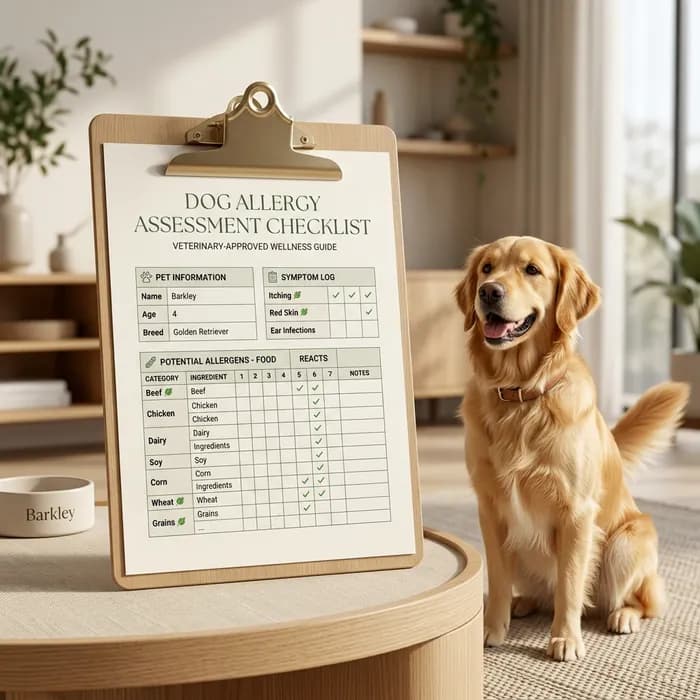
Get Your Free Dog Allergy Checklist
12,400+ dog parents used this to identify hidden triggers in 3 minutes. Enter your email for instant access.
📥 YES! SEND MY FREE CHECKLIST →🔒 No spam. Unsubscribe anytime. Instant delivery.
6. Frequently Asked Questions (FAQ)
Q: What is quercetin for dogs?
Quercetin is a powerful plant-derived flavonoid antioxidant often called "Nature’s Benadryl". It works as a natural mast-cell stabilizer, preventing the immune system from releasing itchy histamines during allergic reactions.
Q: How much quercetin should I give my dog?
The standard recommended dosage for dogs is 8 to 12 mg per pound of body weight, administered twice daily (ideally 30 minutes before food).
Q: Can I use human quercetin supplements for my dog?
Yes! High-quality human quercetin capsules are safe, but they absorb best when combined with Bromelain (a pineapple enzyme that boosts bioavailability and acts as a natural anti-inflammatory).
Q: Does quercetin have any side effects or contraindications in dogs?
Quercetin is exceptionally safe, but it should not be given to pregnant or lactating dogs, or dogs suffering from kidney disease. Always consult your vet first.