
- 1. The Biological Reason Dogs Lick Paws at Night (The Cortisol Drop)
- 2. The 3 Underlying Triggers Behind Nighttime Paw Chewing
- 3. Step 1: The 3-Minute Evening Antifungal Paw Soak
- 4. Step 2: The Bedtime Natural Antihistamine Dose (Quercetin)
- 5. Step 3: Eliminate Daytime Contact Allergens & Pollen
- 6. Step 4: Fix the Root Cause in the Food Bowl
- 7. Frequently Asked Questions (FAQ)
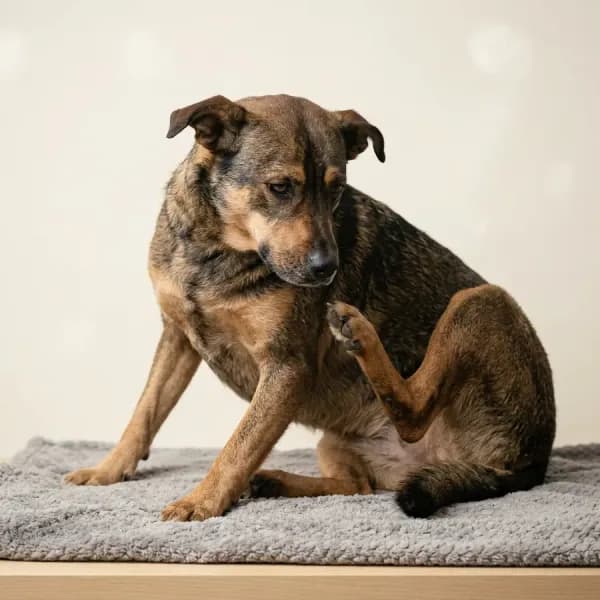
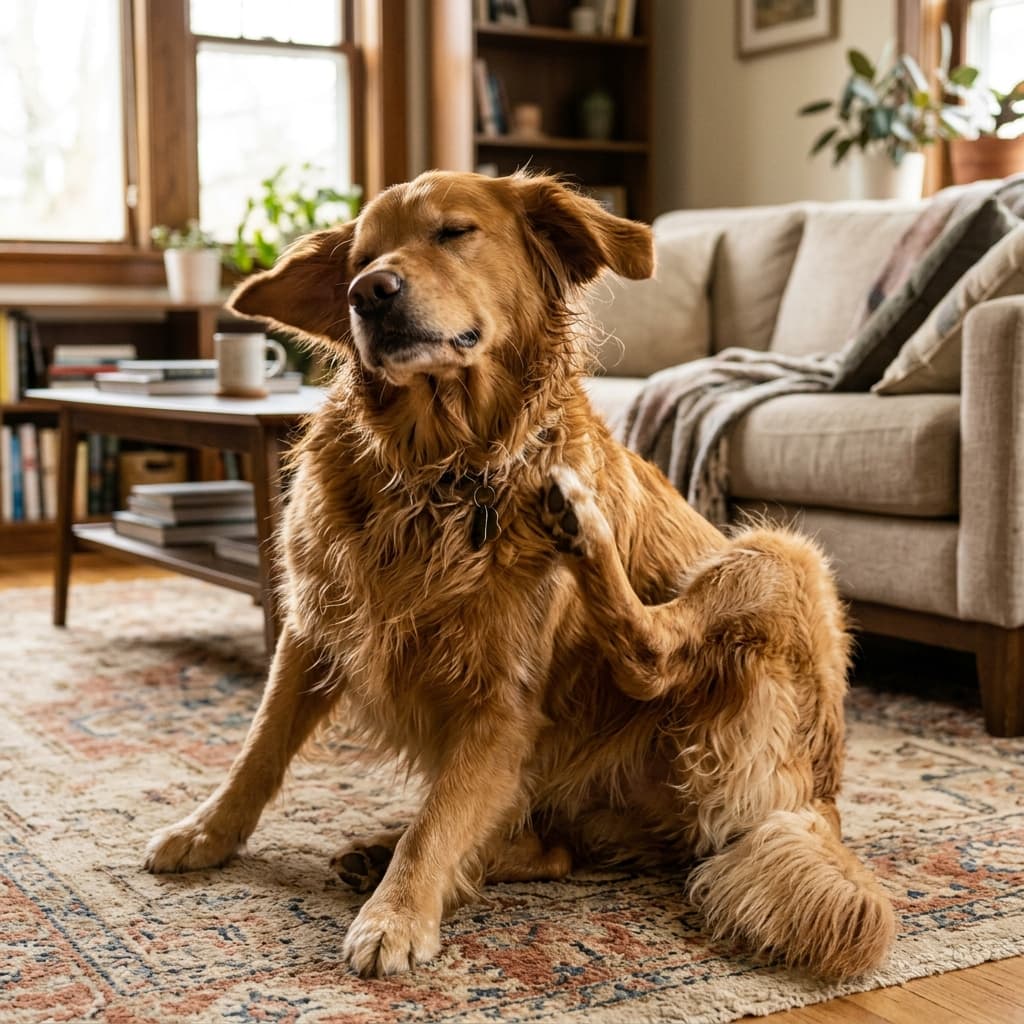
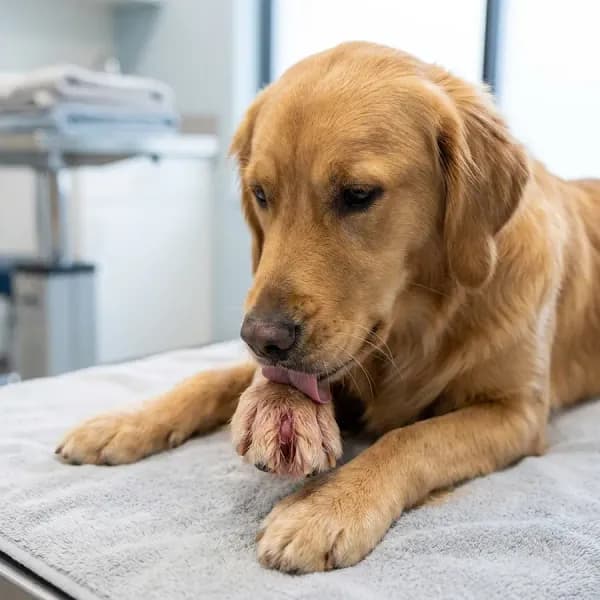
It is 2:30 AM. You are fast asleep when you are suddenly awakened by a loud, rhythmic sound: slurp, chew, gnaw. Your dog is curled up at the foot of your bed, furiously chewing their red, raw paws like a piece of bubblegum.
Nighttime paw licking is one of the most frustrating and heartbreaking challenges dog parents face. If left untreated, chronic licking breaks the delicate skin between their toe pads, causing painful secondary bacterial infections, yeast dermatitis ("Frito feet"), and permanent staining of their fur.
1. The Biological Reason Dogs Lick Paws at Night (The Cortisol Drop)
Why does the itching seem ten times worse after the sun goes down? The answer lies in your dog's circadian endocrine rhythm:
📉 The Natural Cortisol Drop
During daytime active hours, your dog's adrenal glands produce higher levels of cortisol—the body's natural anti-inflammatory hormone. At night, cortisol levels drop to allow sleep. Without cortisol to suppress inflammatory signals, histamine receptors in their paws become hyper-sensitized, creating an unbearable tingling and burning sensation.
🛑 Lack of Daytime Distractions
During the day, walks, noises, and family activities distract your dog's brain. In a quiet, dark bedroom, all sensory input shuts off, leaving your dog 100% focused on the itch in their toes.
2. The 3 Underlying Triggers Behind Nighttime Paw Chewing
- 1. Yeast Overgrowth (Malassezia Dermatitis): Dogs only sweat through their paws. When humidity and warmth mix with sweat, microscopic yeast organisms multiply rapidly, creating a pungent corn-chip odor and maddening itch.
- 2. Food Allergen Histamine Surge: If your dog ate commercial food containing processed chicken, beef, or corn fillers during dinner, digestive histamines peak in their bloodstream 4 to 6 hours later—right in the middle of the night.
- 3. Contact Pollen & Lawn Chemicals: Grass pollen, fertilizers, and dust mites stick to the webbing between their toes during afternoon walks, causing acute contact dermatitis when they lie down.
3. Step 1: The 3-Minute Evening Antifungal Paw Soak
Before bed, wash away yeast spores and neutralize skin pH with this fast, soothing soak:
🐾 Mix: 1 cup organic raw Apple Cider Vinegar (with "The Mother") + 1 cup warm chamomile tea or warm water.
🐾 Soak: Submerge each paw for 2 to 3 minutes, gently separating and cleaning between the toe pads.
🐾 Pat Dry: Dry completely with a fresh towel. Never rinse with water!
🐾 Moisturize: Massage a pea-sized dab of cold-pressed organic coconut oil to protect the raw skin.
4. Step 2: The Bedtime Natural Antihistamine Dose (Quercetin)
Give your dog a dose of Quercetin with Bromelain (5 to 10 mg per lb of body weight) approximately 30 minutes before their evening meal.
Quercetin acts as a natural mast cell stabilizer, stopping histamine release before the nighttime cortisol dip occurs. This ensures your dog sleeps peacefully without waking up to chew their skin.
5. Step 3: Eliminate Daytime Contact Allergens & Pollen
Keep a pack of fragrance-free, hypoallergenic dog wipes near your front door. Every time your dog comes inside from a walk or playing in the yard, wipe down their paws, pads, and underbelly to remove micro-pollens before they transfer to your rugs and bedding.
6. Step 4: Fix the Root Cause in the Food Bowl
Topical soaks and evening wipes provide immediate symptomatic relief. However, if your dog is allergic to the rendered chicken or grain fillers in their bowl, the immune system will continue triggering inflammation day after day.
Switching to a hypoallergenic novel-protein diet (such as wild salmon, ground turkey, or venison) removes the underlying trigger, heals the gut lining, and eliminates nighttime paw chewing permanently.
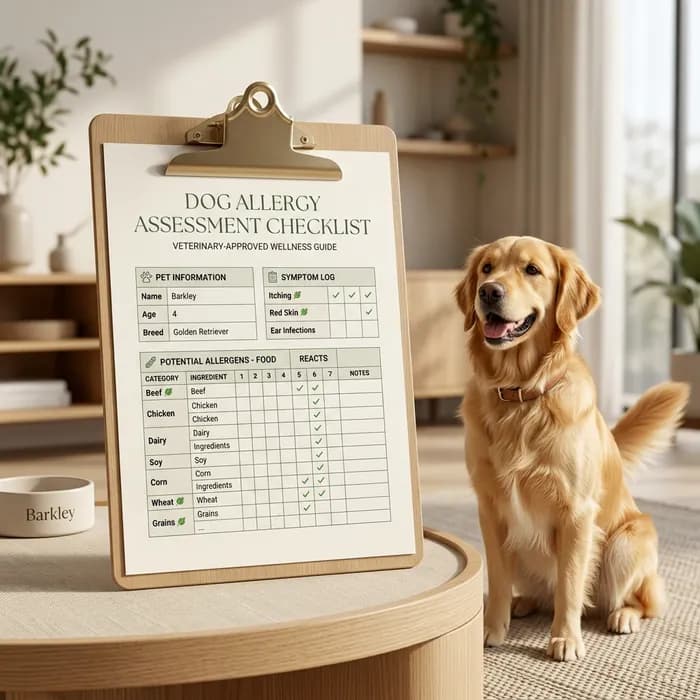
Get Your Free Dog Allergy Assessment Checklist
Discover your dog's exact food triggers in 3 minutes. Stop nighttime scratching for good.
📥 DOWNLOAD FREE CHECKLIST NOW →🔒 100% Free • Instant PDF Delivery • Zero Spam