
- 1. The Frustration of the Invisible Enemy (No Fleas Found)
- 2. The 7 Hidden Causes of Severe Canine Itching
- 3. The Gut-Skin Link: What Your Vet Isn't Telling You
- 4. The 3-Step Skin Restoration Protocol
- 5. Real-World Success: How Bella Stopped Scratching
- 6. Print This Checklist: Is Your Dog's Itch Food-Related?
- 7. Frequently Asked Questions (FAQ)
1. The Frustration of the Invisible Enemy
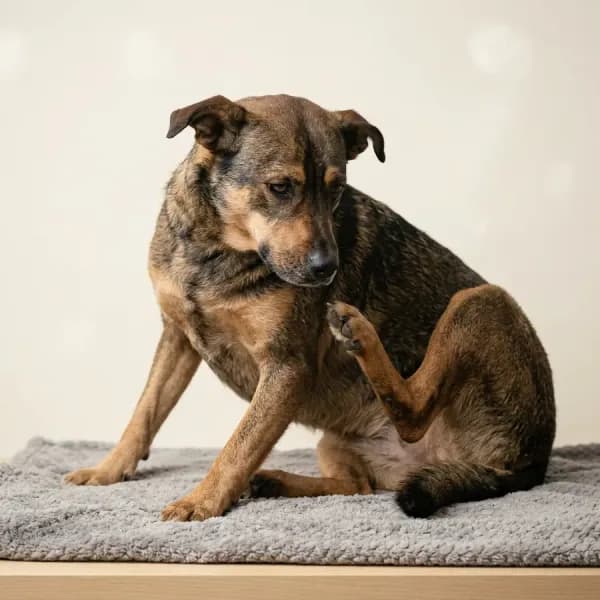
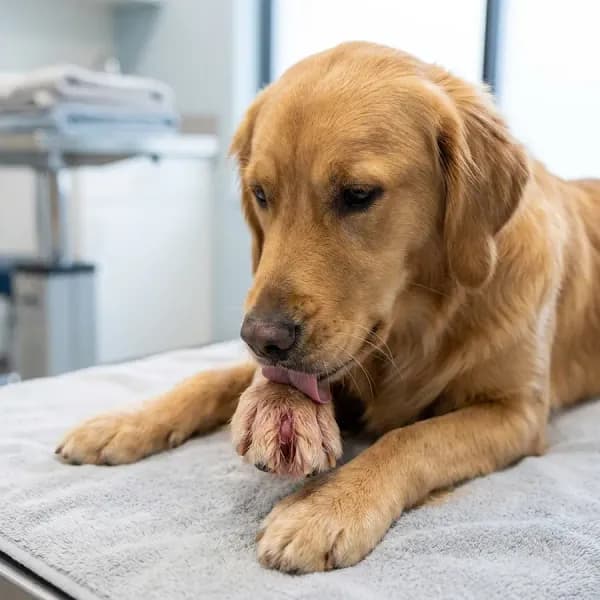
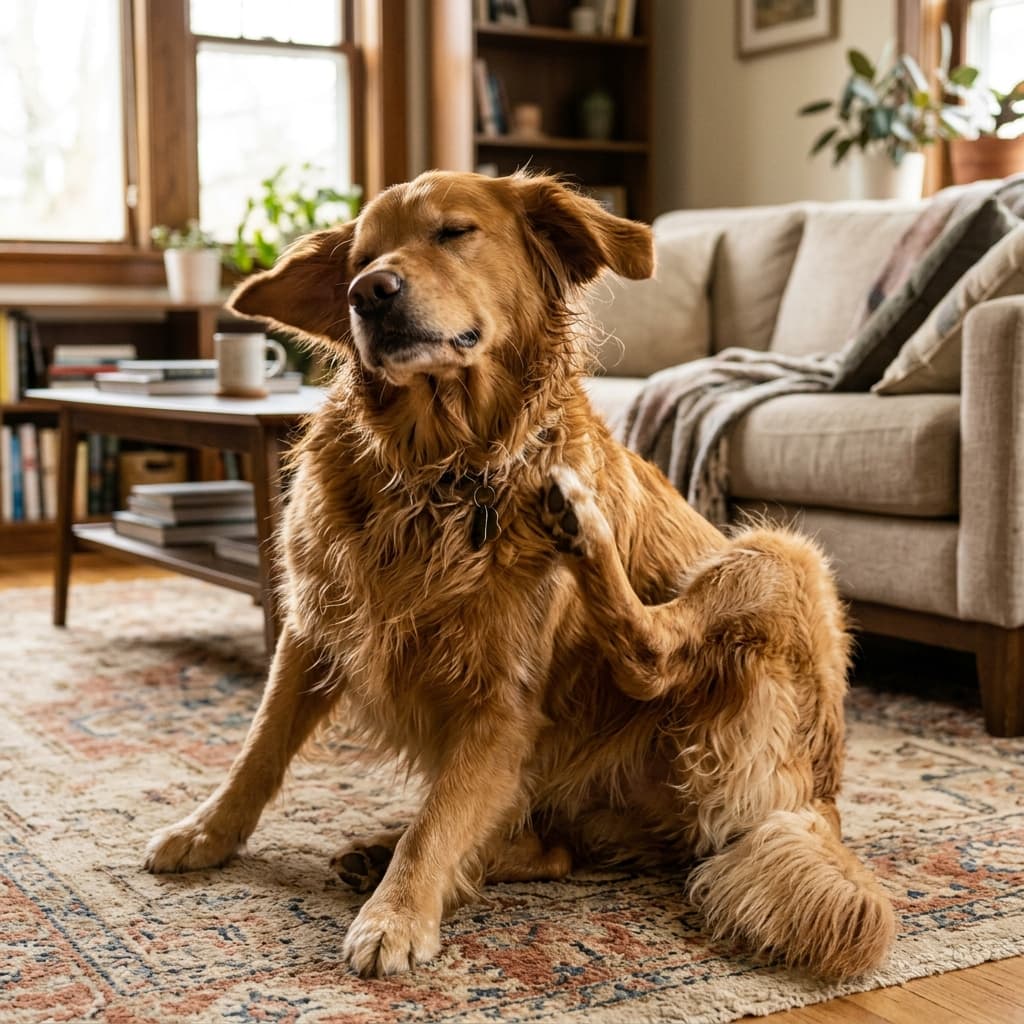
It’s 3:00 AM, and you’re woken up by a familiar, frustrating sound: the rhythmic thump-thump-thump of your dog scratching their ear, or the wet, squishing noise of them chewing their paws raw. You roll out of bed with a flashlight, desperately searching for a flea or flea dirt, but their coat is completely clean. The frustration of dealing with an itchy dog when there are zero pests is overwhelming, but it is a silent cry for help from your dog’s immune system.
This is one of the most frustrating experiences for a dog parent. Your dog is clearly in agony, scratching their skin until it's red and inflamed, yet there are no bugs to blame. You feel helpless, and your dog is exhausted.
The truth is, when a dog keeps scratching but no fleas are present, it's a clear signal that their body is fighting an internal battle. Rather than buying more chemical spot-on treatments, we need to understand the biological triggers that are causing their immune system to overreact.
2. The 7 Hidden Causes of Severe Canine Itching
Vets look beyond parasites when diagnosing chronic scratching. If fleas are ruled out, the culprit is almost always one of these seven issues:
1. Food Allergies & Intolerances (The #1 Cause)
When a dog eats processed proteins (like factory-raised chicken or beef) or heat-damaged grains, their immune system produces antibodies against these molecules. This triggers a massive release of histamines, which pool in their extremities, causing intense scratching around the face, ears, paws, and groin.
2. Seasonal Environmental Allergies (Atopy)
Just like humans, dogs can be allergic to pollen, grass, mold spores, and dust mites. However, instead of sneezing, dogs absorb these allergens through their skin, leading to severe seasonal itchiness.
3. Secondary Yeast Overgrowth (Malassezia)
If your dog smells musty or like corn chips, they have a yeast infection. Yeast thrives in warm, damp skin compromised by allergies, multiplying rapidly and causing intense, greasy itching that no antihistamine can stop.
4. Contact Dermatitis
Exposure to harsh household chemicals—such as carpet cleaners, laundry detergents used on their beds, or cheap dog shampoos—can irritate the skin barrier and cause localized red, itchy patches.
5. Dry Skin (Xerosis)
A lack of essential fatty acids (specifically Omega-3) in commercial dry diets leads to dry, flaky, irritated skin. Without a strong lipid barrier, the skin becomes susceptible to minor environmental irritants.
6. Anxiety & Obsessive Compulsive Scratching
Boredom, separation anxiety, or lack of mental stimulation can cause dogs to obsessively lick or scratch themselves. This self-soothing behavior releases endorphins, creating a feedback loop where they scratch simply because it comforts them.
7. Endocrine Disorders
Hypothyroidism or Cushing's disease changes a dog's hormone levels, weakening their skin barrier and making them highly prone to recurrent skin infections and chronic itching.
3. The Gut-Skin Link: What Your Vet Isn't Telling You
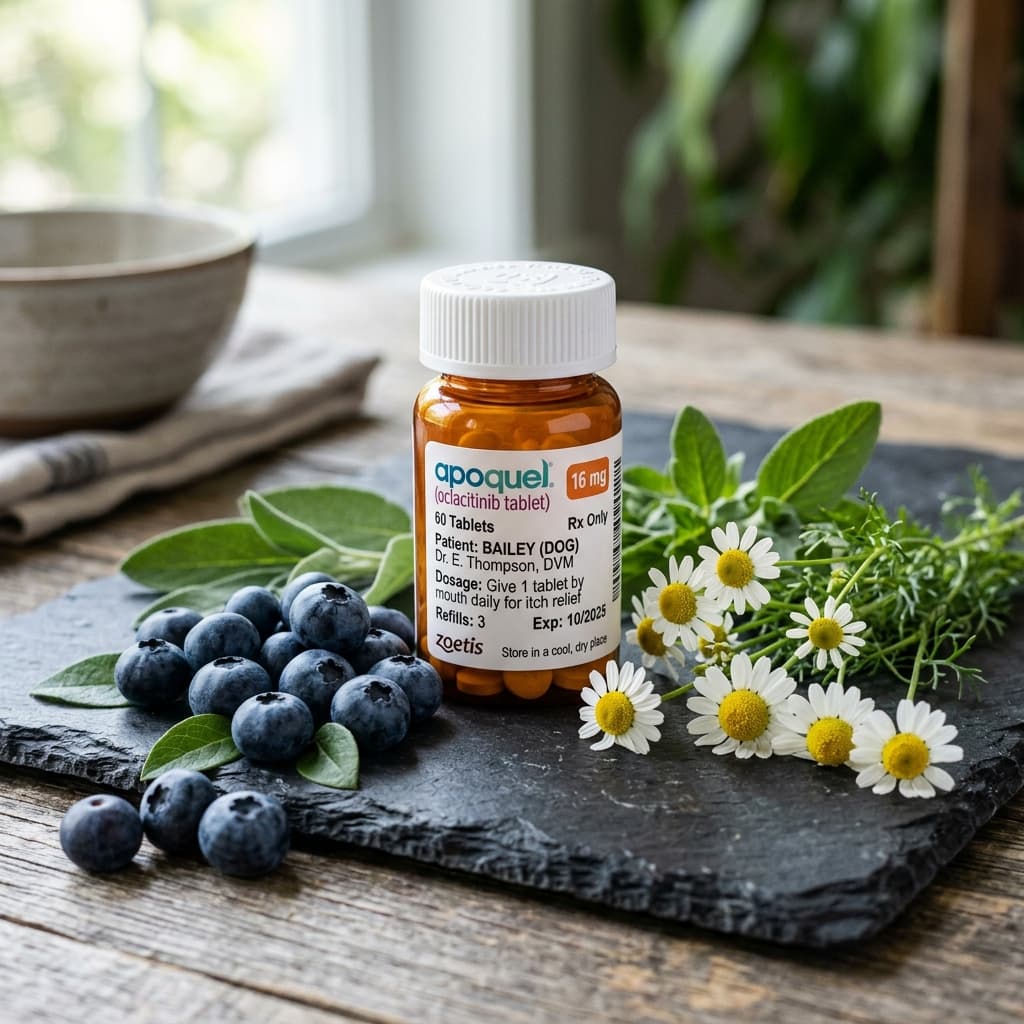
When you take an itchy dog to the vet, they will often prescribe steroid pills or immune-suppressing injections like Apoquel. While this provides temporary relief, it suppresses the symptoms without addressing why the immune system is overreacting in the first place.
Here is the key insight: over 70% of your dog's immune system lives in their gut. When a dog eats processed commercial kibble high in starch and synthetic preservatives, it damages the delicate gut lining. This condition, known as "Leaky Gut Syndrome," allows undigested food particles and toxins to slip into the bloodstream.
The immune system detects these foreign molecules and launches a systemic inflammatory response. In Europe, the European Pet Food Industry Federation (FEDIAF) guidelines caution that high heat processing of standard poultry products alters protein structures, creating antigenic particles that further irritate a compromised gut. Because a dog's mast cells (allergy-signaling cells) are concentrated in the skin, paws, and ears, the gut inflammation manifests externally as severe skin itching and redness.
To truly heal their skin, we must stop feeding the inflammatory fire. Transitioning your dog to a clean, fresh diet with a single novel protein is the only way to heal their gut lining and quiet the immune system. The most effective way to start this transition is by using a structured, vet-approved guide like the PawRoot Dog Allergy Toolkit which outlines every meal plan and dosage charts.
4. The 3-Step Skin Restoration Protocol
Instead of relying on synthetic drugs, you can use these three steps to restore your dog's skin barrier naturally:
🌿 The 3-Step Natural Relief Plan:
- Step 1: The Colloidal Oatmeal Bath: Oatmeal contains anti-inflammatory compounds called avenanthramides that soothe itching on contact. Grind plain, organic rolled oats into a fine powder, mix into warm water, and soak your dog for 15 minutes.
- Step 2: Balance pH with Apple Cider Vinegar: If your dog has a secondary yeast overgrowth, soak their paws or spray a 50/50 mix of organic raw apple cider vinegar and warm water onto their skin. This makes the skin acidic, killing the yeast instantly.
- Step 3: Rebuild the Skin Barrier with Omega-3s: Add a high-quality wild-caught salmon oil to your dog's meals daily. The active EPA and DHA fatty acids nourish the skin lipid barrier, preventing moisture loss and keeping environmental allergens out.
5. Real-World Success: How Bella Stopped Scratching
Bella, a 4-year-old Golden Retriever from Munich, Germany, suffered from severe scratching for two years. Her owner, Lisa, had spent over €1,800 on vet visits, special shampoos, and allergy shots. Bella's belly was bald and black, and she scratched until she bled.
Lisa decided to stop the chemical treatments and focus on the gut-skin axis. She started Bella on a strict 8-week elimination diet using wild-caught cod and sweet potato, paired with daily colloidal oatmeal baths and a weekly raw apple cider vinegar paw soak.
Within 10 days, Bella's itching decreased by 50%. By week 4, the redness on her belly was gone, and new golden fur began to grow. By week 8, Bella was completely symptom-free. Her gut had healed, and her skin barrier was fully restored—all without a single pharmaceutical drug.
6. Print This Checklist: Is Your Dog's Itch Food-Related?
Use this checklist to identify if your dog's itching is caused by food allergies rather than environmental factors:
- ⬜Location of itching: The itching is concentrated on the paws (licking/chewing), ears (head shaking/infections), and groin.
- ⬜Year-round symptoms: The scratching does not change with the seasons (unlike pollen allergies which spike in spring/summer).
- ⬜Gastrointestinal signs: Your dog has soft stools, chronic gas, or poops more than 3 times a day.
- ⬜Early onset: The scratching started before your dog turned 1 year old, or suddenly after changing their food brand.
- ⬜Lack of drug response: Antihistamines like Benadryl offer little to no relief for their scratching.
Get Your Free Dog Allergy Checklist
12,400+ dog parents used this to identify hidden triggers in 3 minutes. Enter your email for instant access.
📥 YES! SEND MY FREE CHECKLIST →🔒 No spam. Unsubscribe anytime. Instant delivery.