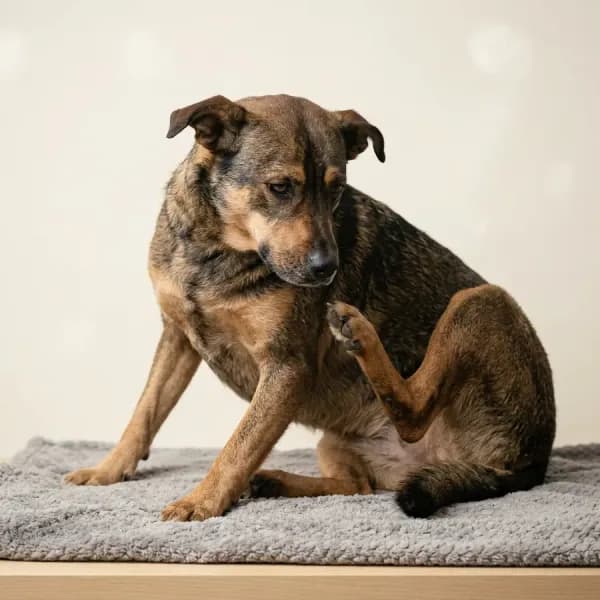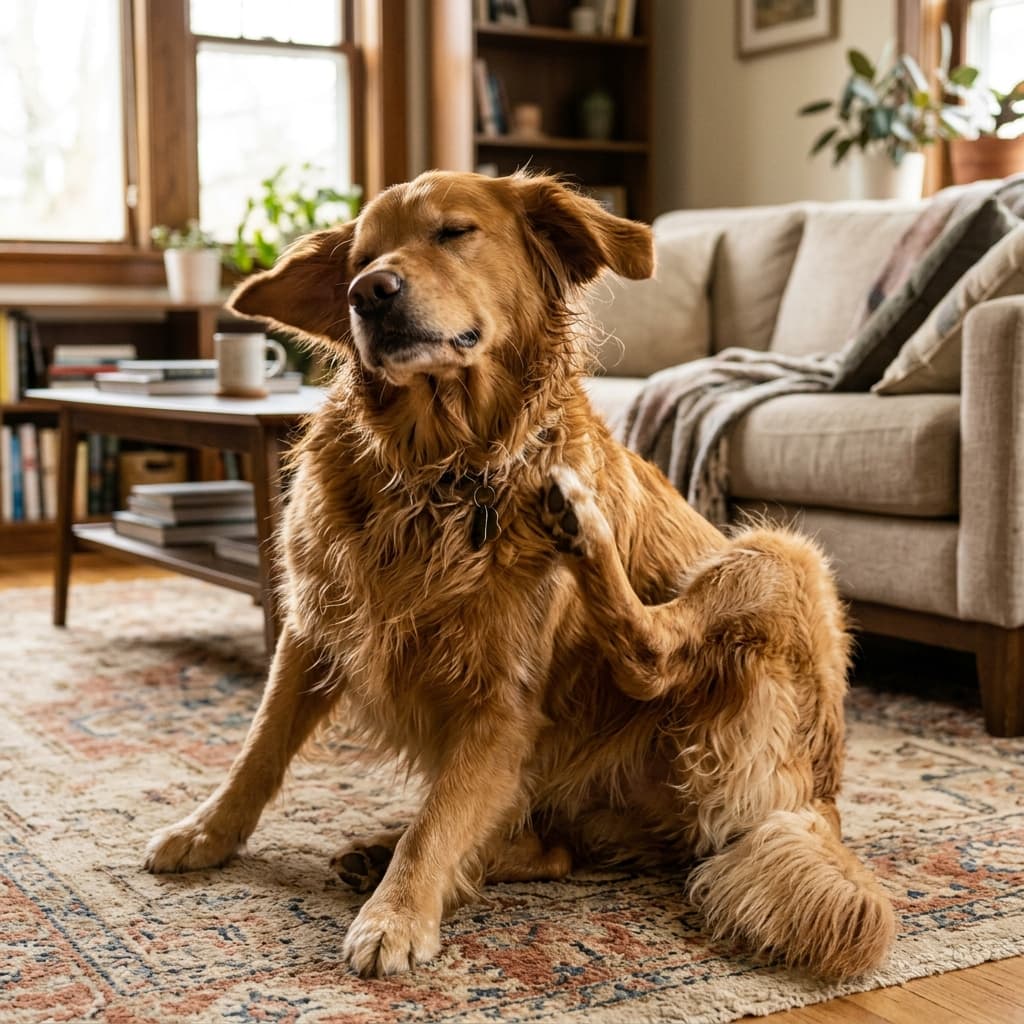

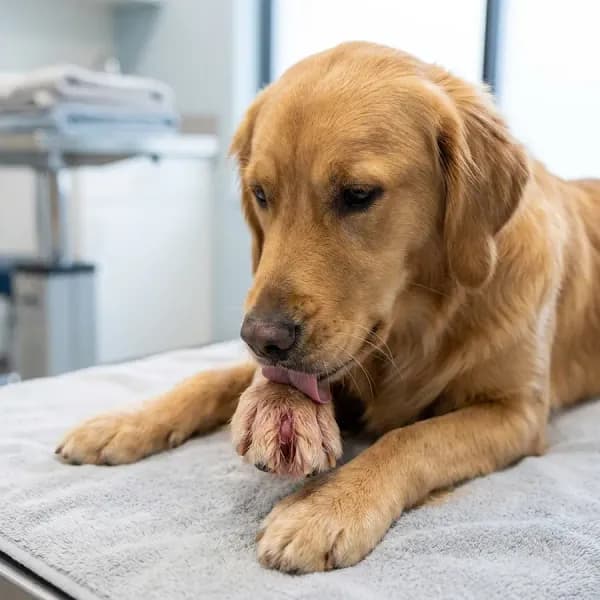
It is one of the most frustrating behaviors for a dog parent to witness: your dog lying on the floor, obsessively licking and chewing their paws until the fur is stained pink and the skin is raw, swollen, and bleeding.
Many dog parents assume their dog is simply grooming, has dirty feet, or is anxious. But as veterinarians, we know that constant paw licking is a classic, primary symptom of a food allergy.
Why Is My Dog Licking Their Paws Raw?
Dogs lick their paws raw primarily due to food allergies (especially rendered chicken or beef) or secondary yeast dermatitis. Mast cells (which release histamines) are heavily concentrated in canine paw pads. When triggered by dietary allergens, histamines cause burning and itching in the feet. Licking spreads saliva, creating a warm, damp environment that allows yeast and bacteria to proliferate.
1. Why Do Food Allergies Affect the Paws?
It sounds counterintuitive—why does something a dog eats make their feet itch? The answer lies in your dog's immune system and skin anatomy.
When a dog ingests an allergen (such as chicken or beef protein in highly processed kibble), their immune system misidentifies it as a dangerous invader and releases inflammatory chemicals called histamines.
In dogs, histamine-releasing cells (mast cells) are highly concentrated in the paws, ears, groin, and around the eyes. As blood flows to the extremities, these areas become red, inflamed, and intensely itchy. Licking is the only way a dog can claw at the itch, but the moisture from their saliva creates a warm, damp environment that quickly leads to secondary yeast and bacterial infections.
🔍 2. The Usual Suspects: The Top 4 Dog Food Allergens
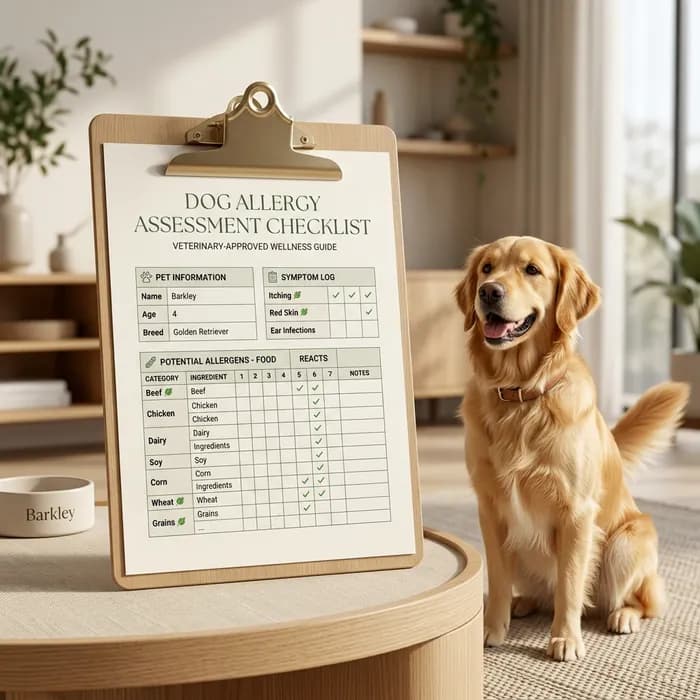
Many commercial pet food companies claim "allergies are rare," yet they use the cheapest proteins. The most common food allergens for dogs are:
- Processed Chicken (The #1 Culprit): Overused in kibble and highly inflammatory when processed at extreme heat.
- Beef: A common protein source that triggers high antibody production.
- Dairy & Eggs: Triggers inflammatory gastrointestinal and skin reactions.
- Wheat, Corn & Soy Gluten: Highly processed starches that irritate the gut lining.
3. Clean the Paws Instantly (The Epsom Salt Soak)
To soothe raw skin immediately and wash away environmental allergens, soak your dog's paws in warm water with dissolved Epsom salts for 5 minutes.
Epsom salt naturally reduces swelling, draws out toxins, and aids skin regeneration. Thoroughly dry the paws afterwards, as trapped moisture feeds yeast.
4. Strip the Diet (Eliminate Chicken and Beef)
If your dog is chewing their paws, the very first step is to completely remove chicken and beef from their bowl.
Switch to a single-source "novel" protein that is rich in anti-inflammatory Omega-3 fatty acids, such as wild-caught salmon or turkey, paired with high-fiber, low-glycemic cooked ingredients.
5. Log Symptoms and Maintain Strict Compliance
Allergy triggers can take up to 6–8 weeks to completely clear from a dog's system. Ensure that no commercial treats, table scraps, or flavored vitamins are given during this transition period. Keep a daily log of paw licking frequency to track improvement.
6. The 5 Signs Your Dog's Paws Are Finally Healing
When you apply the correct dietary and topical protocol, these are the signs that confirm your dog licking paws raw is finally coming to an end:
- ✅Licking frequency drops — From obsessive non-stop licking to occasional cleaning. This usually appears first, around Week 2-3.
- ✅Rust-brown fur fades — The porphyrin staining from saliva begins to lose color as licking stops. Fur grows back clean.
- ✅Swelling between toes reduces — The webbing between the toes, which was swollen and red, starts to return to normal pink skin.
- ✅Sleep improves for both of you — One of the first signs parents notice is finally sleeping through the night without the repetitive licking sound.
- ✅Ear scratching stops — Since ears and paws share the same histamine distribution, when paws heal, the ears follow. Earwax production normalizes.
According to a 2019 veterinary dermatology study, dogs with dietary-triggered paw dermatitis showed measurable improvement within 3 weeks of switching to a single novel protein elimination diet. By week 8, over 89% of dogs were completely symptom-free—without any pharmaceutical intervention.
Get Your Free Dog Allergy Checklist
12,400+ dog parents used this to identify hidden triggers in 3 minutes. Enter your email for instant access.
📥 YES! SEND MY FREE CHECKLIST →🔒 No spam. Unsubscribe anytime. Instant delivery.
7. Frequently Asked Questions (FAQ)
Q: Why does my dog lick their paws raw?
Obsessive paw licking is usually a primary sign of a food allergy. When dogs eat reactive proteins (like chicken or wheat), their immune system releases histamines. Because mast cells are highly concentrated in the footpads and ears, these areas become red and intensely itchy, leading to obsessive licking.
Q: Can Epsom salt soaks stop my dog from chewing feet?
Yes! Soaking licked paws in warm water with dissolved Epsom salts for 5 minutes reduces local inflammation, draws out toxins, cleans raw skin, and kills secondary yeast or bacterial invaders.
Q: What are the most common dog food allergy triggers?
The top four dietary allergens in dogs are highly processed chicken, factory-raised beef, dairy/eggs, and grain gluten (wheat, corn, soy).
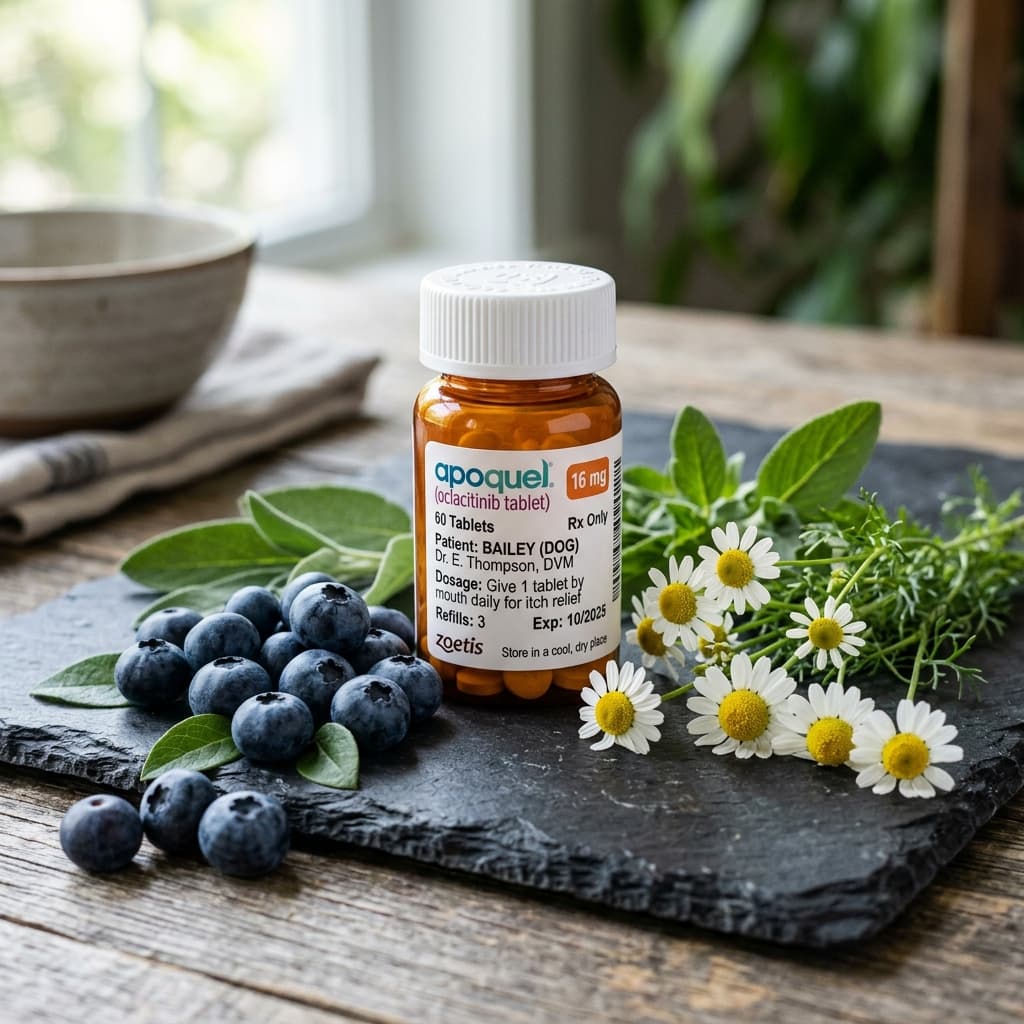
Q: Is Cytopoint or Apoquel safe for my dog’s paw licking?
While they provide temporary relief by blocking cellular itch signals, they are immune-suppressing drugs. They mask the symptoms without addressing the underlying dietary trigger, allowing gut inflammation to persist.