
- 1. The End of the Scratching: Lola’s Success Story
- 2. The Biology of "Frito Feet" (Why Your Dog Smells Like Chips)
- 3. Exposing the Commercial Kibble & Apoquel Trap
- 4. Step 1: Starve the Yeast with Hypoallergenic Novel Food
- 5. Step 2: The Antifungal Apple Cider Vinegar Soak Recipe
- 6. Step 3: Rebuild the Gut with Natural Antifungal Lipids
- 7. Frequently Asked Questions (FAQ)
1. The End of the Scratching: Lola’s Success Story
Lola is a 3-year-old French Bulldog running through a sunlit field in Vancouver, her coat thick, white, and glossy. She has not scratched, chewed, or whimpered in six months. But her story didn't start in this field of relief.
To understand how Lola healed, we have to look back. Just four weeks before her full recovery, her owner noticed the thick, black, leathery patches of "elephant skin" on her belly began to flake off, revealing soft, healthy pink skin beneath. New white fur sprouted for the first time in two years.
Two weeks before that, the agonizing wet, repetitive sound of midnight licking finally stopped. Lola and her owner slept through the night in absolute peace.
Rewind to Day 1: Her owner made a brave decision. They dumped the $110 veterinary-prescribed "hypoallergenic" kibble directly into the trash and prepared Lola’s first fresh, warm bowl of wild salmon, sweet potato, and organic quinoa, mixed with pure coconut oil.
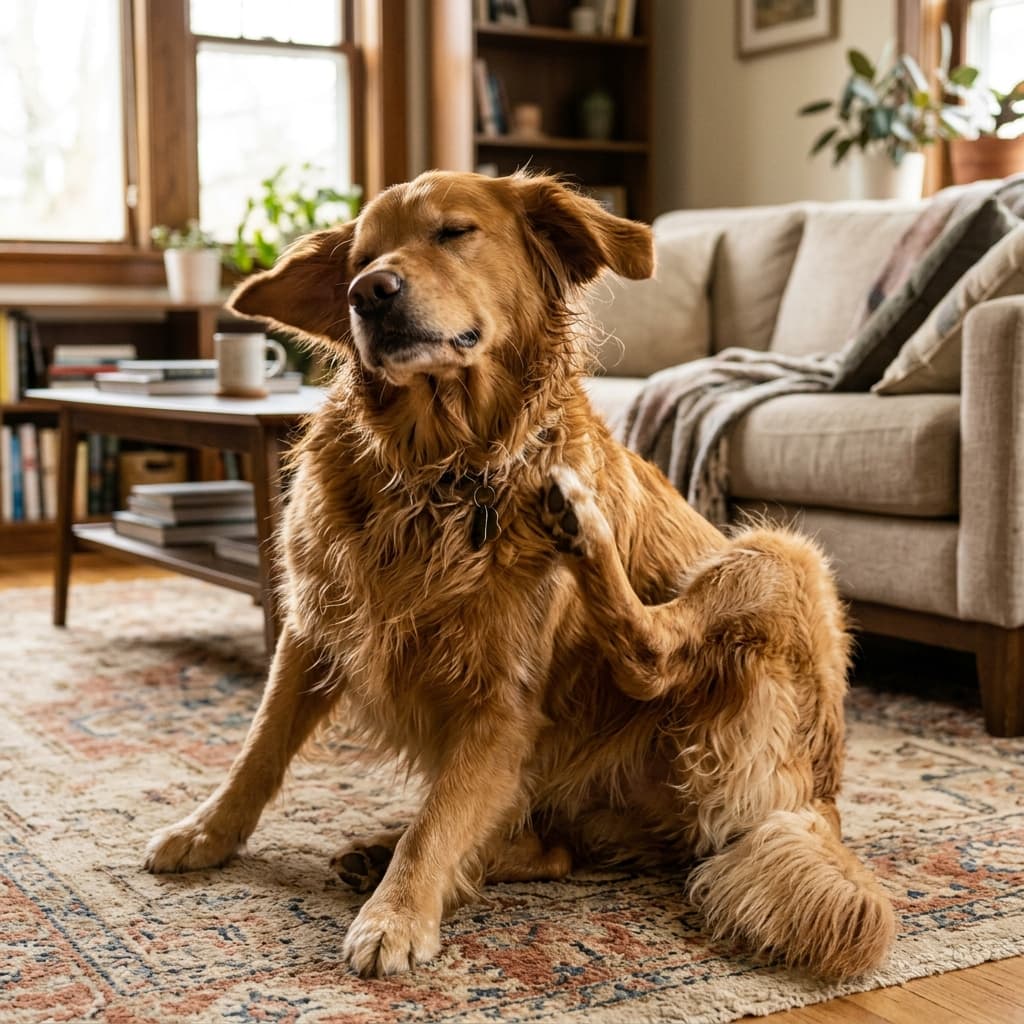
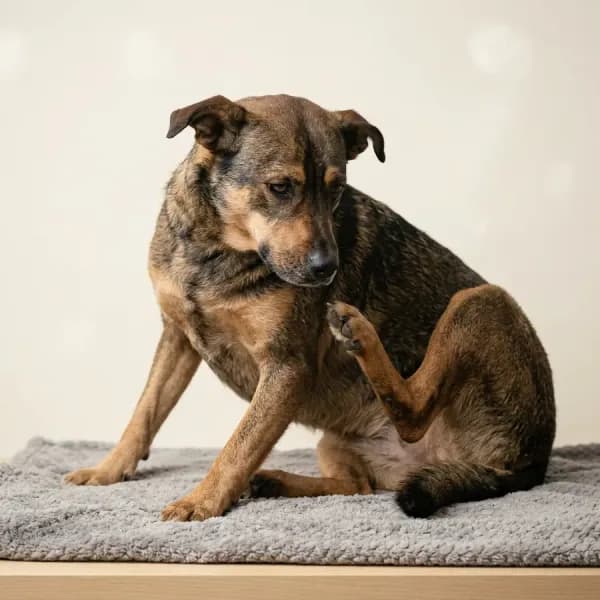
And the origin? A miserable Tuesday at 2:00 AM. Lola lying on her side, whimpering, scratching her ears raw, and obsessively chewing her paws until they were rust-stained and bleeding. Her body smelled intensely of rancid yeast—like a bag of stale corn chips. Lola was trapped, and so was her owner. This is where the search for a dog smells like corn chips remedy became their absolute lifesaver.
2. The Biology of "Frito Feet" (Why Your Dog Smells Like Chips)
Heads up: that musty gurgling smell coming from your dog's paws isn't a normal canine scent. Your dog's paws are not haunted; they are just fermenting!
The corn-chip odor is primarily the metabolic byproduct of two microscopic organisms: Pseudomonas bacteria and Malassezia pachydermatis yeast. These organisms live naturally in tiny, harmless numbers on healthy canine skin.
However, your dog's paws are the ultimate biological incubator. Dogs sweat through their footpads, lick their feet when bored or irritated, and walk on warm flooring. This creates a warm, dark, damp, and sugar-rich environment. Under these conditions, the yeast multiplies exponentially. As the yeast ferments the lipids and sugars on the skin, it releases that unmistakable musty corn-chip smell.
🩺 Yeast Infection vs. Simple Odor Checklist
A light chip smell after a long walk can be normal. But if you observe these symptoms, it has progressed to a full-blown dog skin yeast infection:
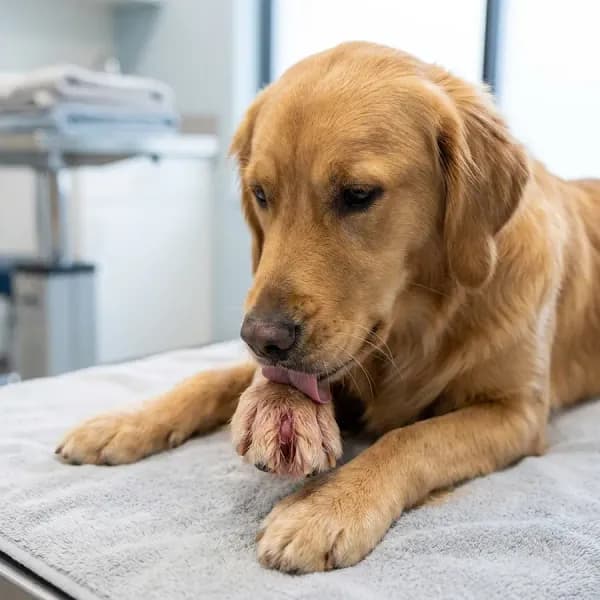
- Obsessive Paw Chewing: Fur between the toes stained a dark rust-brown or pink color (from porphyria in saliva).
- Skin Discoloration: The skin under the armpits, groin, or belly turning gray, black, and thick (hyperkeratosis, or "elephant skin").
- Greasy Residue: Petting your dog leaves a greasy, rancid-smelling film on your fingers.
- Oozing Ears: A dark brown, smelly, waxy discharge that causes the dog to shake its head constantly.
3. Exposing the Commercial Kibble & Apoquel Trap
Straight up: most commercial pet food and pharmaceutical solutions are muzzling the symptoms rather than healing the root cause.
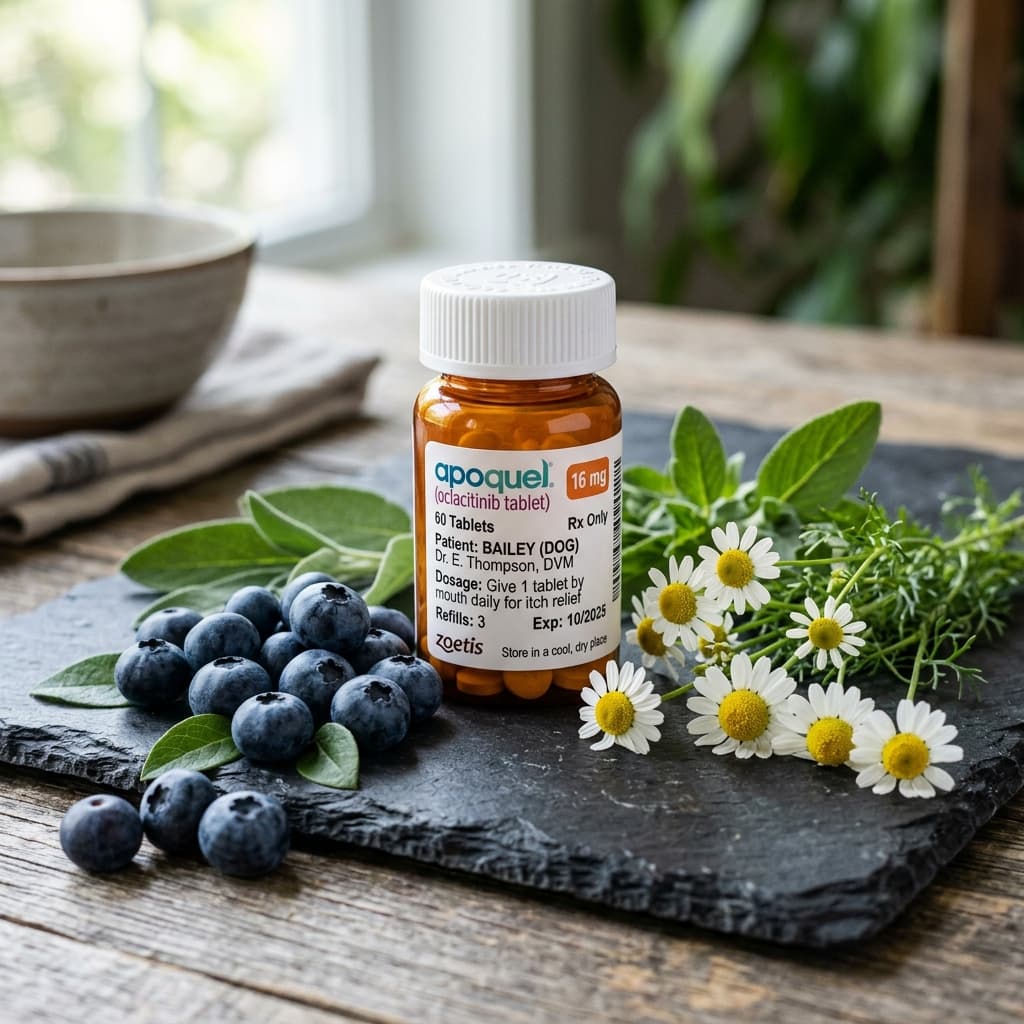
When a dog has a food allergy (usually to highly-processed chicken or beef), their immune system overreacts, releasing histamines. These inflammatory chemicals collect in the dog's extremities—namely the paws, ears, and groin—causing them to itch intensely. To mask this itch, vets often prescribe Apoquel or Cytopoint injections.
But here is the catch: these drugs are "smoke alarm muzzlers." They shut down the cellular signals (JAK pathways) to turn off the itch sensation. It’s like putting duct tape over the "check engine" light. The alarm is muted, but the fire is still burning! The underlying allergy continues to damage the gut lining, and the chronic inflammation remains untreated.
Furthermore, commercial dry kibble is baked at extreme temperatures, and consists of 50% to 60% high-glycemic carbohydrates and starches (corn, white potatoes, wheat, peas) to hold its shape. Once digested, these starches break down directly into glucose. Sugar is the absolute fuel for yeast. By feeding carb-heavy kibble, you are essentially feeding the yeast infection from the inside out!
4. Step 1: Starve the Yeast with Hypoallergenic Novel Food
To cure yeast permanently, you must eliminate their food supply. This means transitioning your dog completely away from high-carbohydrate kibble and processed poultry proteins.
You must conduct a strict 8-week elimination diet using a single **novel protein**—a meat source your dog has never eaten in their entire life, such as wild-caught salmon, venison, or turkey—paired with a single low-glycemic, fiber-rich carbohydrate source like quinoa or cooked sweet potatoes.
Why salmon? Wild-caught salmon is packed with anti-inflammatory Omega-3 fatty acids, which actively heal the skin barrier, reduce histamine sensitivity, and calm inflamed skin cells from the inside out.
5. Step 2: The Antifungal Apple Cider Vinegar Soak Recipe
While the diet works internally to deescalate the immune system, you must actively manage the itchy yeast on the skin topically. Leaving the yeast untreated during a food trial allows the infection to entrench itself.
The single most effective natural topical remedy is an **Apple Cider Vinegar (ACV) Paw Soak**. Yeast cells thrive in warm, alkaline environments. The organic acetic acid in raw ACV instantly balances the skin's pH, creating an acidic shield where yeast simply cannot survive.
🐾 The PawRoot Antifungal Paw Soak Recipe
- Ingredients: 1 cup of organic raw, unfiltered Apple Cider Vinegar (with the "Mother"), 1 cup of warm water, and 1/2 cup of Epsom salts.
- Method: Combine the ingredients in a shallow tub or sink. Stand your dog in the mixture and let their paws soak for 3 to 5 minutes, gently massaging between their webbed toes.
- The Golden Rule: Lift your dog out and gently pat their paws dry. Never rinse! Rinsing washes away the acidic vinegar shield, allowing yeast to recolonize. (Note: Never use vinegar on open sores, cuts, or bleeding skin as it will sting).
6. Step 3: Rebuild the Gut with Natural Antifungal Lipids
Over **70% of your dog's immune system lives in their gut**. Years of feeding processed kibble, combined with antibiotics or steroid pills, destroys the healthy gut flora, allowing the yeast to colonize the digestive tract.
To restore balance, you must introduce **pure organic cold-pressed coconut oil** into their daily diet. Coconut oil contains high concentrations of Lauric Acid and Caprylic Acid—medium-chain fatty acids with clinically-proven antifungal properties. These acids directly target the yeast cells in the gut, breaking down their outer membranes and causing them to disintegrate.
Additionally, coconut oil serves as a magnificent topical moisturizer. Massage a small dollop of melted coconut oil directly onto dry, scaly elbows, ear flaps, and cracked paw pads. If they lick it off, it’s completely safe—it’s actually double-acting to heal their gut!
7. What to Expect Week by Week
Many dog owners ask: "How long before I see results?" Here is a realistic timeline when you follow the 3-Step Anti-Yeast Plan consistently:
Transition & Initial Detox
Licking may temporarily increase as the body begins to purge histamines. The corn chip odor may intensify briefly. This is normal. Begin daily ACV paw soaks. Stop all commercial kibble and switch to the salmon & quinoa recipe.
First Visible Signs of Improvement
The corn chip odor begins to fade. Paw licking frequency starts to decrease. Elephant skin patches begin softening at the edges. Energy levels improve.
Skin Barrier Restoration
Red, inflamed ears begin clearing. Rust-brown fur staining from saliva starts to fade. The skin stops flaking and new pink healthy skin becomes visible.
Full Resolution & New Coat Growth
Scratching stops completely. New fur regrows. The corn chip smell is completely gone. Your dog sleeps through the night without waking to chew their paws.
The key to success with any dog smells like corn chips remedy is strict, unwavering compliance during the full 8-week healing window. One slip—one piece of kibble, one chicken treat—can reset the immune system's histamine cascade and require you to restart the clock.
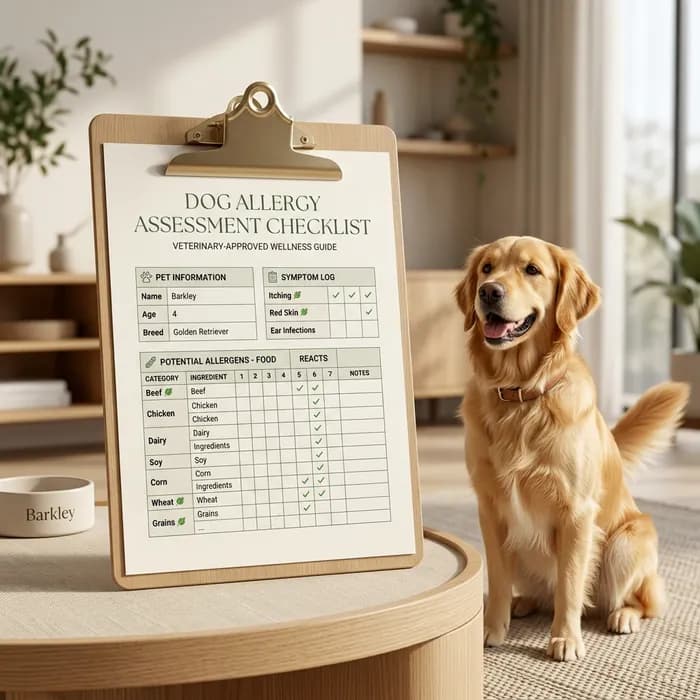
Get Your Free Dog Allergy Checklist
12,400+ dog parents used this to identify hidden triggers in 3 minutes. Enter your email for instant access.
📥 YES! SEND MY FREE CHECKLIST →🔒 No spam. Unsubscribe anytime. Instant delivery.
8. Frequently Asked Questions (FAQ)
Q: Why does my dog's paws smell like corn chips?
The smell is caused by the overgrowth of Pseudomonas bacteria and Malassezia yeast in the warm, damp webbing of your dog's paws. As they digest sugars and sweat, their fermentation releases a distinct, musty corn-chip odor.
Q: Can I use apple cider vinegar to stop my dog from licking paws?
Yes! Organic raw ACV is highly acidic and possesses potent natural antifungal properties. Soaking the paws in a 50/50 mix of ACV and warm water balances the skin’s pH, making it hostile to yeast growth.
Q: Is my dog scratching because of yeast or allergies?
It is usually both. Food allergies (often to chicken or kibble starch) break down the skin's protective lipid barrier. Yeast, which is normally harmless, exploits this weakened barrier to multiply out of control, causing the intense itching and odor.
Q: How does the PawRoot Dog Allergy Toolkit help?
Our toolkit takes the guesswork out. It provides fully-balanced, vet-reviewed homemade recipes, 4-week step-by-step elimination meal planners, shopping lists, and daily symptom logs. It helps you save an average of $1,200 annually on specialized vet dermatologist visits and medication, while giving your dog lifelong, natural relief.