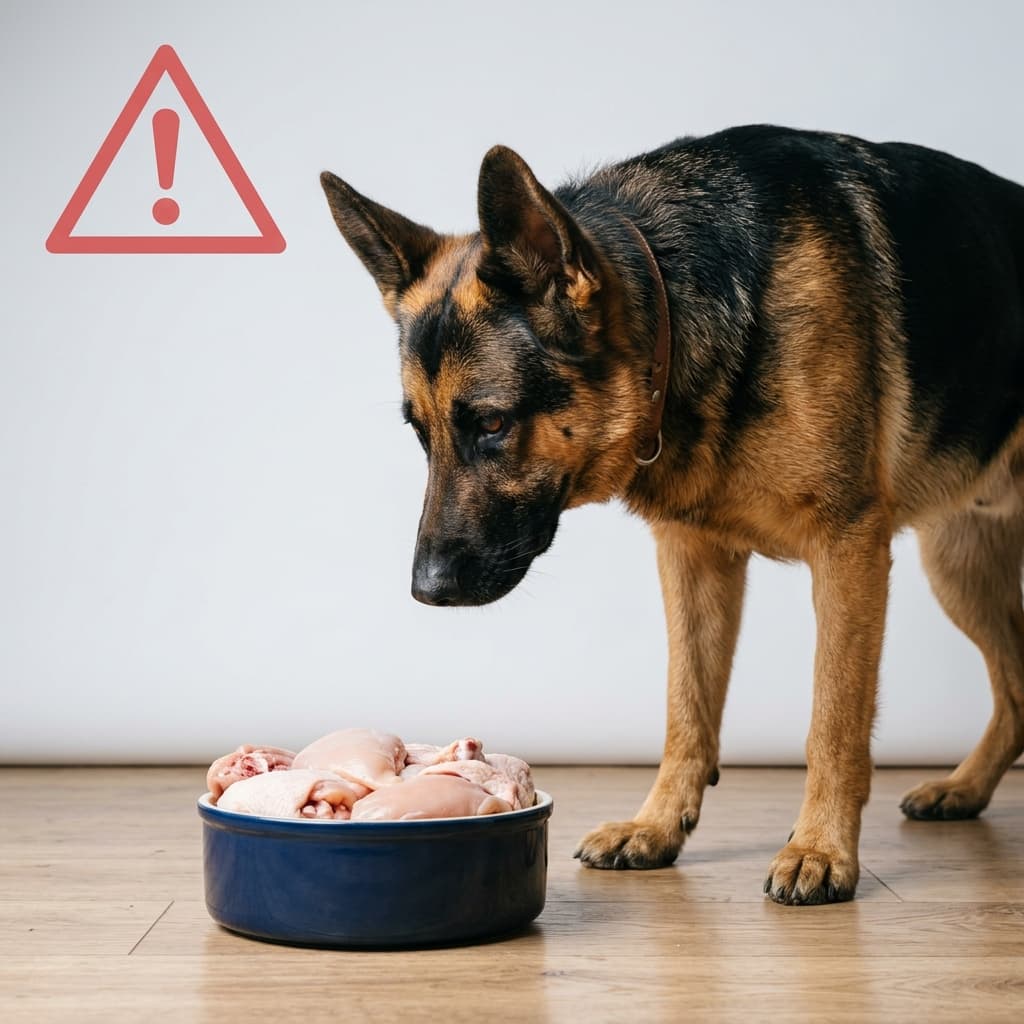


If your dog has been scratching their skin raw, chewing their paws, or suffering from chronic ear infections, you have probably tried countless remedies: anti-itch sprays, medicated shampoos, expensive steroid shots, and hypoallergenic kibbles.
Yet, the moment the medications wear off, the itching returns. Why? Because you are treating the symptoms, not the cause. To stop the itch permanently, you must identify and remove the dietary trigger using an Elimination Diet.
1. What is a Dog Elimination Diet?
An elimination diet (or "exclusion diet") is widely recognized by veterinary dermatologists as the absolute gold standard for diagnosing food allergies. Saliva and blood allergy tests for dogs are notoriously unreliable. The only scientifically proven way to identify food allergies is to clean their system completely and then strategically reintroduce ingredients.
The process involves feeding your dog a minimalist diet containing a single "novel" protein and a single carbohydrate source for a period of 6 to 8 weeks.
How to Run a Successful Elimination Diet: A Step-by-Step Guide
Step 1: Choose Your "Novel" Ingredients
A novel protein is a meat source your dog has not eaten in their life. Because their body has never been exposed to it, they cannot have developed antibodies or allergic reactions against it.
- Excellent Novel Proteins: Wild-caught salmon, clean cooked turkey, venison, duck, or rabbit.
- Excellent Carbohydrate Sources: Organic sweet potatoes or cooked quinoa (both are highly digestible and low-inflammatory).
Step 2: Enforce the 8-Week Strict Rule
For the elimination diet to work, compliance must be 100% absolute. One single crumb of chicken or a processed treat can trigger histamines and reset the entire 8-week clock.
- No commercial dog treats or biscuits.
- No table scraps or human food sharing.
- No flavored chew toys or dental bones.
- No flavored vitamin tablets or heartworm chewables (consult your vet for topical or pill alternatives).
Step 3: Monitor and Track Progress
Keep a daily food journal. Note down their itching levels (on a scale of 1 to 10), stool quality, ear redness, and sleep patterns. By week 4, you should see a significant drop in scratching. By week 8, the skin should be completely calm, paws pink and healthy, and ears clean.
Step 4: The Reintroduction Phase
Once your dog is symptom-free, you can begin testing ingredients. Introduce one protein source (e.g., chicken) back into their bowl for 7 days. If the scratching returns, you have found a confirmed allergen! Remove it, let the skin calm down, and test the next ingredient. This is how you build a permanent "safe list" for your dog.
Make it Easy with PawRoot
Executing an elimination diet from scratch can be stressful. You have to calculate the correct calcium-phosphorus ratios, ensure they get vital taurine and vitamins, and plan grocery lists.
Our PawRoot Dog Allergy Toolkit takes the guesswork out. It provides fully balanced, vet-approved recipes, pre-calculated meal planners, a food elimination symptom tracker, and a comprehensive breed-specific guide to make healing your dog's skin easy and stress-free.
6. The 5 Most Common Elimination Diet Mistakes (And How to Avoid Them)
The dog food allergy elimination diet is the most powerful diagnostic tool in veterinary dermatology—but only when done correctly. These are the mistakes that cause most pet owners to fail:
Mistake #1: Giving ANY commercial treats
Even one chicken-flavored treat resets the entire 8-week immune reset. Only hand-feed plain pieces of the novel protein you are testing.
Mistake #2: Using flavored toothpaste or flea preventatives
Many pet toothpastes contain chicken or beef flavoring. Topical flea medications absorbed through the skin can also interfere with results.
Mistake #3: Switching proteins during the trial
Stick to one single novel protein. Adding a second protein mid-trial means you will not know which protein caused any reaction during the reintroduction phase.
Mistake #4: Quitting too early
Histamines from old food take 6-8 weeks to fully clear. Many dogs show no improvement until week 4 or 5, then dramatically heal in weeks 6-8.
Mistake #5: Not keeping a symptom diary
Without a daily log of itching, licking frequency, and ear discharge, it is nearly impossible to identify the exact week of improvement—or pinpoint the trigger during reintroduction.
Get Your Free Dog Allergy Checklist
12,400+ dog parents used this to identify hidden triggers in 3 minutes. Enter your email for instant access.
📥 YES! SEND MY FREE CHECKLIST →🔒 No spam. Unsubscribe anytime. Instant delivery.
7. Frequently Asked Questions (FAQ)
Q: How long does an elimination diet take to show results?
An elimination diet must be conducted strictly for 8 weeks. While some dogs show skin and coat improvements in 3 to 4 weeks, it takes a full 6 to 8 weeks for all old histamines and dietary triggers to completely clear their system.
Q: Can I give my dog commercial treats during an elimination diet?
Absolutely not! One single treat, table scrap, or flavored vitamin containing reactive chicken or grain starches can instantly trigger a histamine reaction and reset the entire 8-week clock.
Q: What is a novel protein for dogs?
A novel protein is a meat source your dog has never eaten in their entire life, such as wild-caught salmon, turkey, venison, duck, or rabbit. Because their immune system has never encountered it, they cannot have developed allergic antibodies against it.
Q: How do I reintroduce ingredients after the elimination diet?
Once your dog is symptom-free at week 8, feed one single test protein (e.g. chicken) for 7 days. If scratching returns, it is a confirmed trigger! If no reaction occurs, it is officially safe.