
- 1. How to Mix Coconut Oil & Apple Cider Vinegar (Exact Ratios)
- 2. The Science: Why ACV & Coconut Oil Destroy Yeast
- 3. The 3-Minute Anti-Yeast Paw Soak (For "Frito Feet")
- 4. The Daily Antifungal Skin Spray Recipe
- 5. The Coconut Oil Recovery Barrier Massage
- 6. The 7-Day At-Home Anti-Yeast Protocol
- 7. Fixing the Internal Root Cause (Diet & Gut)
- 8. Frequently Asked Questions (FAQ)
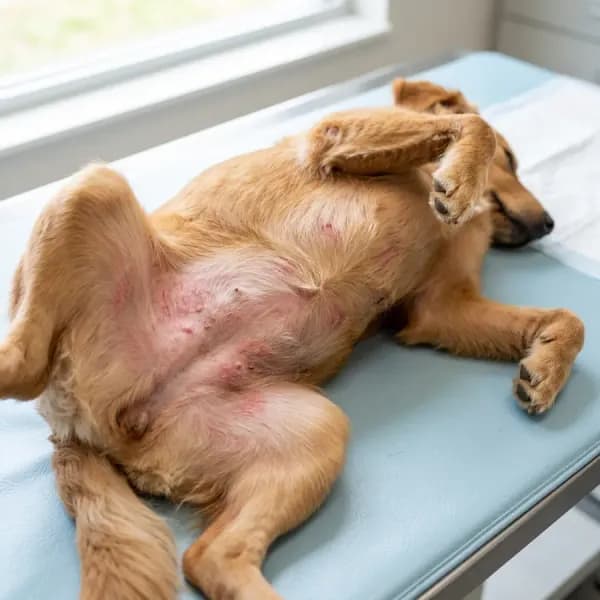
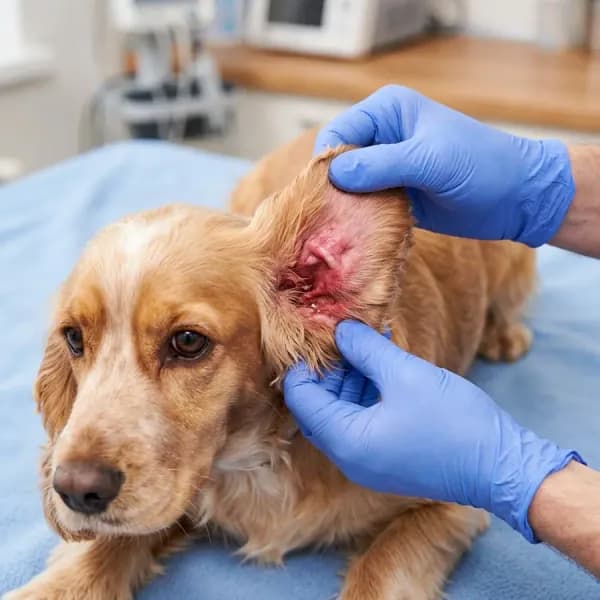
If your dog has paws that smell like corn chips, greasy red skin, hair loss around their belly, or an irresistible urge to lick their paws raw at night, you are dealing with a canine yeast infection (Malassezia dermatitis). While harsh prescription shampoos and oral antifungals can provide temporary relief, they frequently dry out the skin barrier and strain the liver.
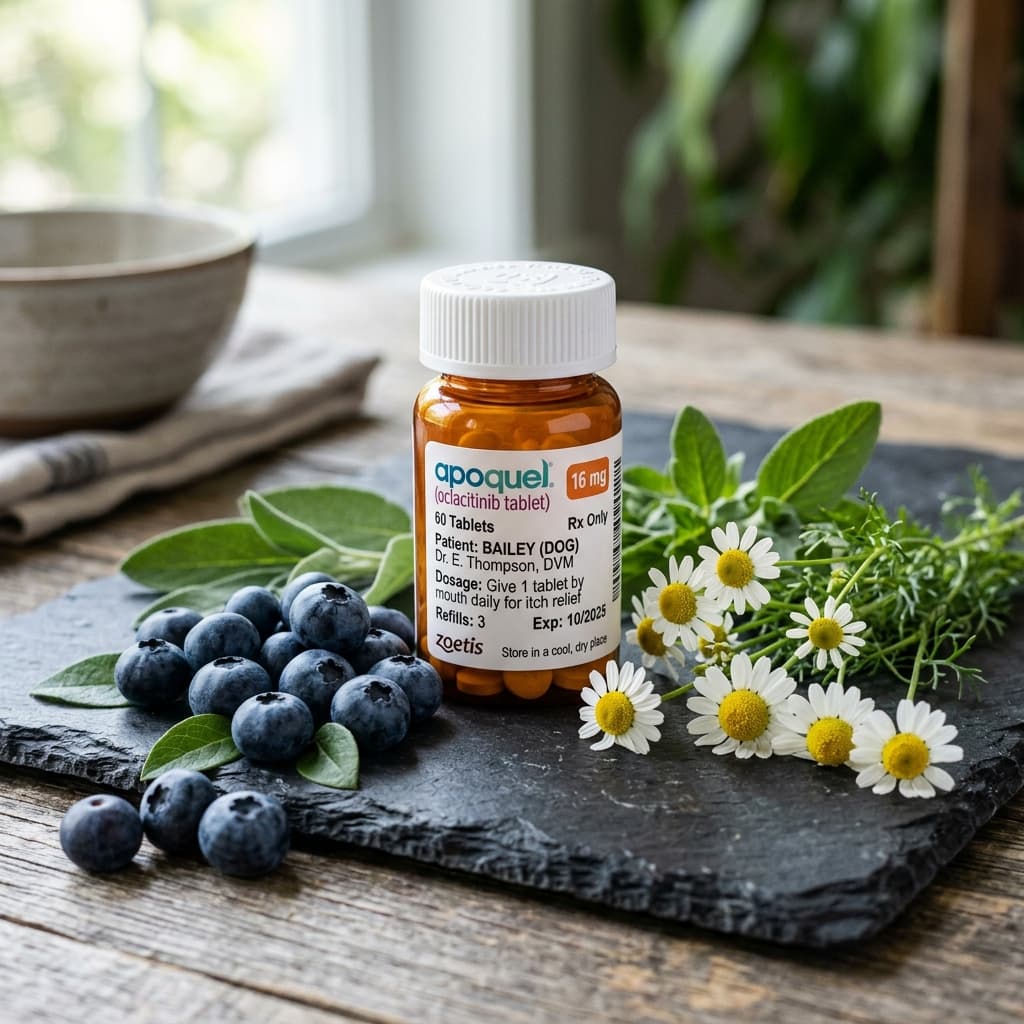
The natural combination of Organic Raw Apple Cider Vinegar (ACV) and Cold-Pressed Unrefined Coconut Oil is one of the most effective, vet-approved home remedies in veterinary dermatology. Below are the exact mixing ratios, recipes, and step-by-step application instructions.
How to Mix Coconut Oil and Apple Cider Vinegar for Dogs
To mix coconut oil and apple cider vinegar for dogs, veterinarians recommend a two-step topical routine rather than blending them directly into one liquid (since oil and vinegar separate). First, apply diluted 1:1 raw organic Apple Cider Vinegar and warm water to restore the skin's acidic pH and eliminate fungal yeast spores. Allow it to air-dry completely, then gently massage a thin layer of unrefined cold-pressed coconut oil to destroy yeast cell walls with active lauric acid and lock in moisture.
1. How to Mix Coconut Oil & Apple Cider Vinegar (Exact Ratios)
Because apple cider vinegar is water-based and coconut oil is a lipid, they will separate if simply dumped into a jar. Veterinarians recommend three distinct preparation methods depending on your dog's symptoms:
The 1:1 Paw Soak
Ratio: 1 cup ACV + 1 cup warm water. Soak paws for 2–3 minutes, pat dry, then massage 1/2 tsp warm coconut oil into paw pads.
Best for: Frito feet & raw toe lickingThe 50/50 Body Mist
Ratio: Equal parts ACV & distilled water in a spray bottle. Mist itchy patches, then apply a thin film of coconut oil once dry.
Best for: Red bellies, armpits & hot spotsThe Dietary Gut Blend
Ratio: 1 tsp melted coconut oil + 1/4 tsp raw ACV per 20 lbs body weight, stirred directly into their daily meals.
Best for: Internal systemic yeast cleanse1. The Science of ACV & Coconut Oil
Apple Cider Vinegar: The pH Balancer
Yeast microbes thrive in warm, humid, and alkaline environments. Apple cider vinegar is naturally rich in acetic acid, which acts as a gentle yet potent antifungal agent. By restoring your dog's skin to its natural, slightly acidic pH, ACV creates a hostile ecosystem where yeast cells simply cannot survive or multiply.
Coconut Oil: The Lipid Destroyer
Coconut oil is packed with high levels of Lauric Acid and Caprylic Acid—medium-chain fatty acids with scientifically proven antifungal and antibacterial properties. These acids directly target yeast, breaking down their microscopic cell walls and causing them to disintegrate. Additionally, coconut oil hydrates dry, flaky skin and accelerates the healing of raw scratch marks.
2. The Anti-Yeast Paw Soak (For "Frito Feet")
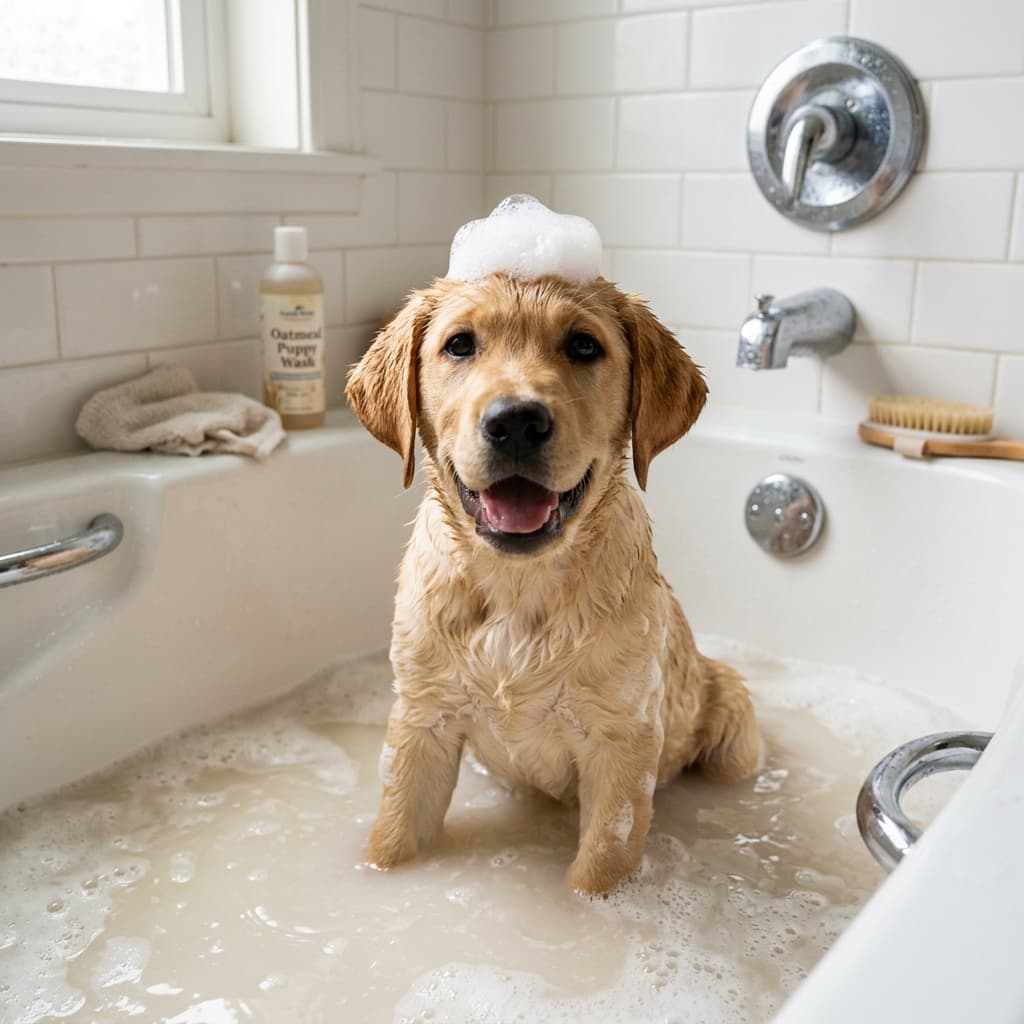
Since dogs sweat through their paws, their feet are the ultimate breeding ground for yeast. Try this soothing soak to clean their paws instantly:
- 🐾 The Recipe: Mix 1 cup of organic raw Apple Cider Vinegar, 1 cup of warm water, and 1/2 cup of Epsom salt in a shallow tub.
- 🐾 The Soak: Stand your dog in the tub and soak their paws for 2 to 3 minutes. Gently massage between their toes.
- 🐾 The Dry: Lift them out and pat their paws thoroughly dry with a clean towel. Never rinse! Leaving the diluted ACV residue on the skin maintains the acidic shield.
3. The Soothing Antifungal ACV Skin Spray
For hot spots, itchy bellies, or musty skin folds, a quick topical spray works wonders.
Mix equal parts organic raw Apple Cider Vinegar and distilled water in a clean spray bottle. Partition your dog's fur and spray directly onto itchy, musty patches, then gently rub it in. Warning: Avoid open wounds or bleeding skin, as the vinegar will sting!
4. The Coconut Oil Recovery Massage
To restore moisture and heal leathery, dark, or dry skin:
Scoop a small spoonful of raw, organic, unrefined coconut oil. Rub it between your palms to melt it, then massage it directly into your dog's dry skin patches, elbows, and raw paws. If they lick it off, do not worry—coconut oil is completely safe to ingest and supports gut health!
5. Target the Systemic Root Cause
Using Apple Cider Vinegar and Coconut Oil topically is a brilliant way to eliminate musty odor and soothe itching immediately. However, yeast is an opportunistic pathogen. It only grows out of control when your dog's immune system is chronically stressed—which is almost always caused by a food allergy.
To cure yeast permanently, you must eliminate the processed grains and reactive chicken proteins feeding the infection, and rebuild their gut microbiome with raw, single-source novel protein recipes.
6. Your Complete 7-Day Anti-Yeast Protocol
Stop the guesswork. Follow this precise daily protocol to eliminate canine yeast dermatitis naturally at home using apple cider vinegar dog yeast infection remedies and coconut oil:
| Time | Action | Purpose |
|---|---|---|
| Morning | Novel protein meal + 1 tsp coconut oil | Internal antifungal action begins |
| After Walk | ACV paw soak (3-5 min), pat dry | Remove outdoor allergens + kill paw yeast |
| Afternoon | ACV spray on itchy patches | Topical antifungal maintenance |
| Evening | Novel protein meal + probiotic supplement | Restore gut microbiome balance |
| Bedtime | Coconut oil massage on dry patches | Overnight skin barrier repair |
Stick to this 7-day protocol and you will notice measurable improvements: the corn chip "Frito" smell begins to fade, licking frequency drops, and the skin between the toes begins to dry and heal. Repeat for 4-8 weeks for complete yeast eradication.
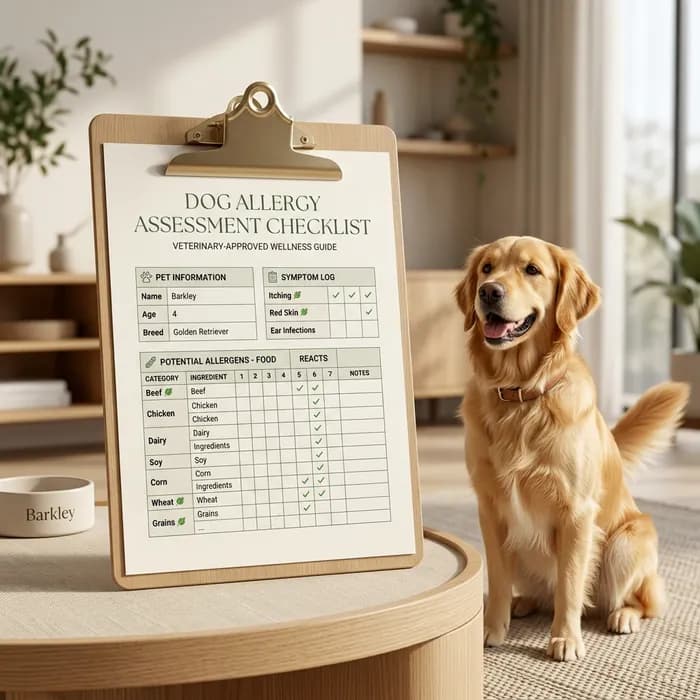
Get Your Free Dog Allergy Checklist
12,400+ dog parents used this to identify hidden triggers in 3 minutes. Enter your email for instant access.
📥 YES! SEND MY FREE CHECKLIST →🔒 No spam. Unsubscribe anytime. Instant delivery.
7. Frequently Asked Questions (FAQ)
Q: How do Apple Cider Vinegar and Coconut Oil cure dog yeast infections?
Apple Cider Vinegar contains organic acetic acid which restores the skin to its natural acidic pH, creating an environment where Malassezia yeast cannot survive. Coconut oil contains high levels of Lauric and Caprylic acids, which break down yeast cell walls on contact, both topically and systemically in the gut.
Q: Should I rinse my dog after an Apple Cider Vinegar paw soak?
Never! Always pat their paws completely dry with a clean towel and let them air dry. Rinsing washes away the protective acidic shield, allowing yeast to instantly recolonize the warm, wet webbing of their toes.
Q: Is coconut oil safe for my dog to lick off their paws?
Yes! Organic unrefined coconut oil is 100% safe to eat. When they lick it off, it actually works systemically to break down yeast cell membranes inside their digestive tract, supporting their immune system from the inside out!
Q: How often can I spray ACV on my dog’s itchy skin?
For active infections, spray a 50/50 organic raw ACV and warm water mix onto their skin 1 to 2 times daily. Never use it on open wounds, raw scratches, or bleeding skin as it will sting.