
- 1. Quick Answer: Best Antifungal Dog Shampoo & Protocol
- 2. The Science: How Antifungal Shampoos Eradicate Yeast
- 3. Comparison Guide: Ketoconazole vs. Chlorhexidine vs. Natural ACV
- 4. Top 5 Vet-Approved Antifungal Dog Shampoos
- 5. The 10-Minute Contact Time Rule (Why 80% of Baths Fail)
- 6. DIY Homemade Antifungal Castile & ACV Dog Shampoo Recipe
- 7. The Missing Link: Why Topical Shampoos Aren't Enough
- 8. Frequently Asked Questions (FAQ)
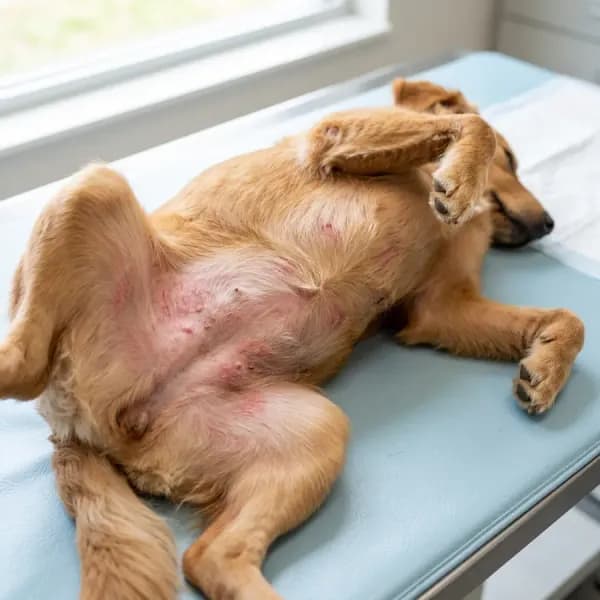
Few things are as frustrating as running your hands through your dog's coat and feeling a greasy, sticky residue, smelling a pungent 'corn chips' or musty odor, and watching them frantically scratch their belly, armpits, and neck until the skin turns raw and black.
This classic condition is Malassezia dermatitis—an opportunistic fungal overgrowth that thrives in moist, inflamed canine skin folds and sebum. While regular oatmeal or conditioning shampoos make fungal yeast worse by feeding on excess moisture, a medical-grade or clinically-formulated antifungal dog shampoo breaks down the lipid wall of yeast spores, restores the skin's acidic defense barrier, and provides instant soothing relief.
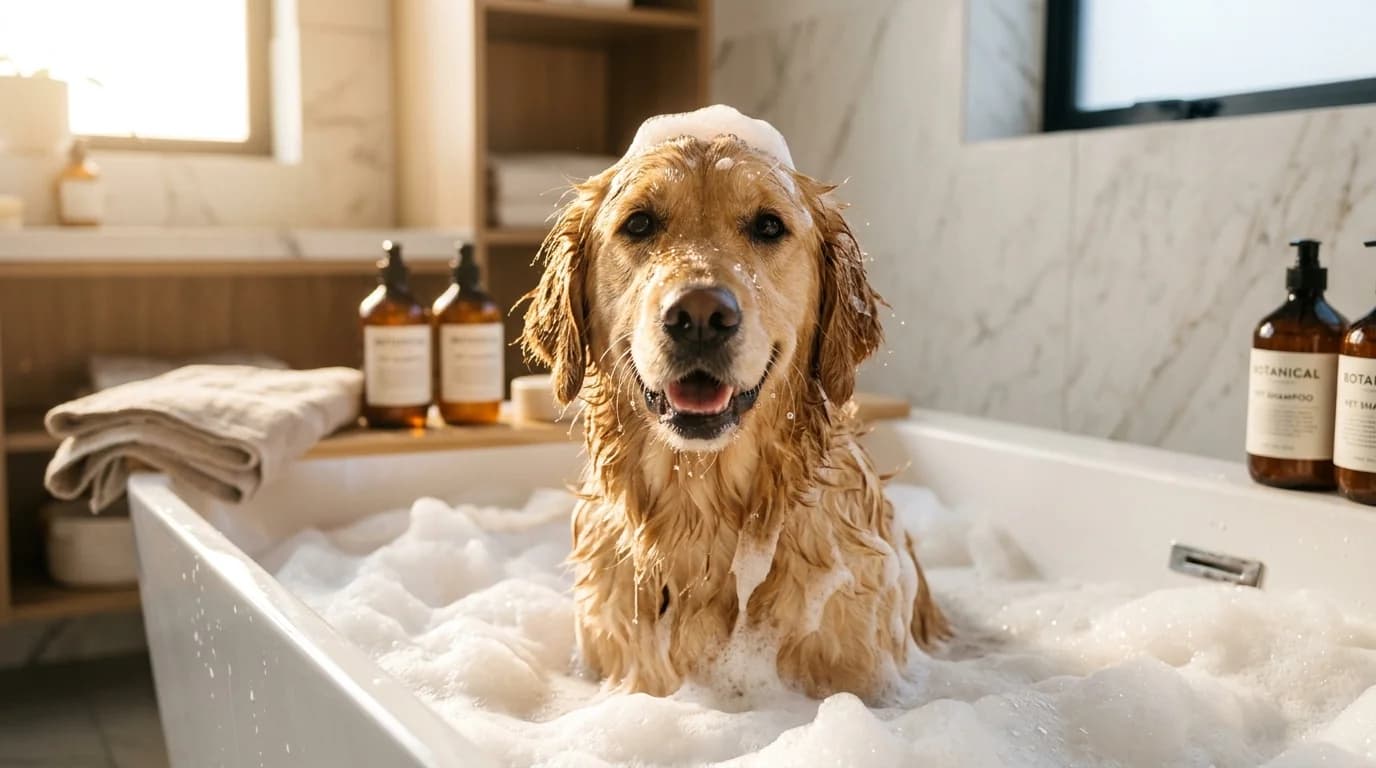
What is the Best Antifungal Dog Shampoo? (Vet Treatment Protocol)
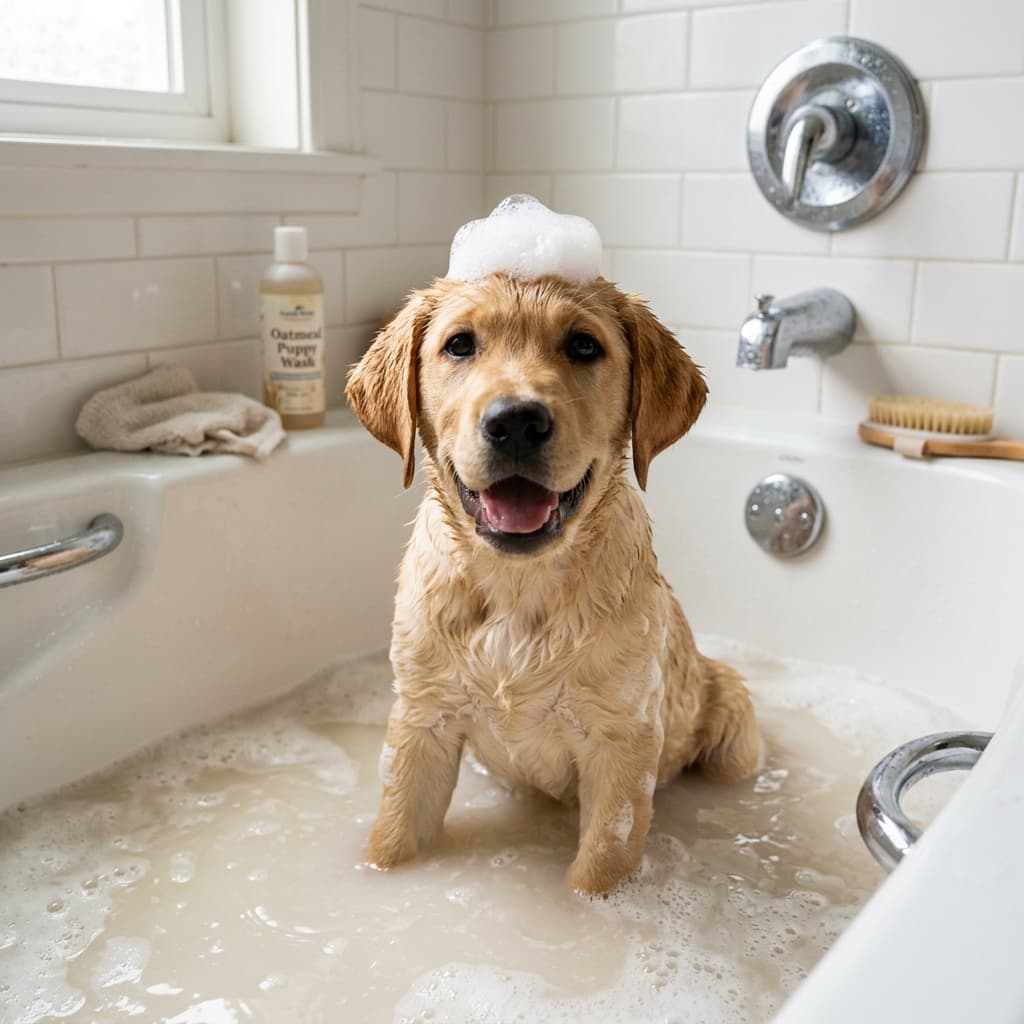
The best antifungal dog shampoo contains either a clinical combination of Ketoconazole (1–2%) and Chlorhexidine (2–4%) for acute yeast and bacterial dermatitis, or a gentle natural blend of organic raw Apple Cider Vinegar, virgin coconut oil (lauric acid), and castile soap for sensitive maintenance. To work effectively, the shampoo must remain on your dog's wet skin for a minimum 10-minute contact time before rinsing, allowing active compounds to disrupt fungal ergosterol synthesis. Bathe twice weekly for 3 weeks during active flare-ups.
2. The Science: How Antifungal Shampoos Eradicate Yeast
Yeast organisms (primarily Malassezia pachydermatis) are normal, harmless residents on canine skin in microscopic numbers. However, when an underlying allergy causes excess sebum production (seborrhea), yeast populations multiply exponentially, producing toxic fatty acids that irritate nerve endings and cause agonizing pruritus.
A true antifungal shampoo achieves three simultaneous therapeutic actions:
1. Membrane Lysis
Inhibits the enzyme lanosterol 14α-demethylase, stopping fungal cells from producing ergosterol. Without ergosterol, fungal cell walls rupture and die.
2. Degreasing Seborrhea
Removes thick, rancid sebum oil plugs from hair follicles that act as food shelters for yeast colonies and secondary staph bacteria.
3. Acid Mantle Reset
Rebalances the epidermal pH below 5.5 in inflamed zones, creating an inhospitable, acidic bio-barrier where fungal spores cannot germinate.
3. Comparison Guide: Ketoconazole vs. Chlorhexidine vs. Natural ACV
Not all medicated shampoos do the same thing. Match the active ingredient to your dog's exact skin condition:
| Active Ingredient | Primary Target | How It Works | Best Used For |
|---|---|---|---|
| Ketoconazole (1–2%) | Fungal Yeast & Ringworm | Blocks fungal ergosterol cell membrane synthesis | Severe Malassezia yeast, musty corn chip odor |
| Chlorhexidine Gluconate (2–4%) | Bacterial Infections (Staph) | Broad-spectrum antiseptic that disrupts bacterial walls | Pustules, yellow scabs, hot spots, pyoderma |
| Miconazole Nitrate (2%) | Fungal Yeast & Microsporum | Penetrates hair follicles to inhibit dermatophytes | Ringworm patches, interdigital paw redness |
| Raw Apple Cider Vinegar (Acetic Acid) | Natural Bio-Antifungal | Drops skin pH below 4.5, starving fungal organisms | Mild flare-ups, routine maintenance, allergy dogs |
| Virgin Coconut Oil (Lauric Acid) | Natural Fungicidal Lipid | Medium-chain triglycerides dissolve fungal outer walls | Dry cracked skin, flaky dandruff, barrier repair |
5. The 10-Minute Contact Time Rule (Why 80% of Baths Fail)
The single most common reason pet parents claim that antifungal shampoos "don't work" is premature rinsing. In veterinary dermatology, contact time is everything:
Antifungal molecules require at least 600 seconds (10 full minutes) of continuous contact with fungal cell membranes to achieve lethal permeabilization. If you lather your dog and rinse them 2 minutes later, you have washed away 90% of the therapeutic benefit!
💡 Vet Pro-Tip to Pass the Time: Smear a lick mat with pure pumpkin puree or peanut butter (xylitol-free) on the bathroom wall. Your dog will happily lick the mat in the tub while the shampoo works its magic.
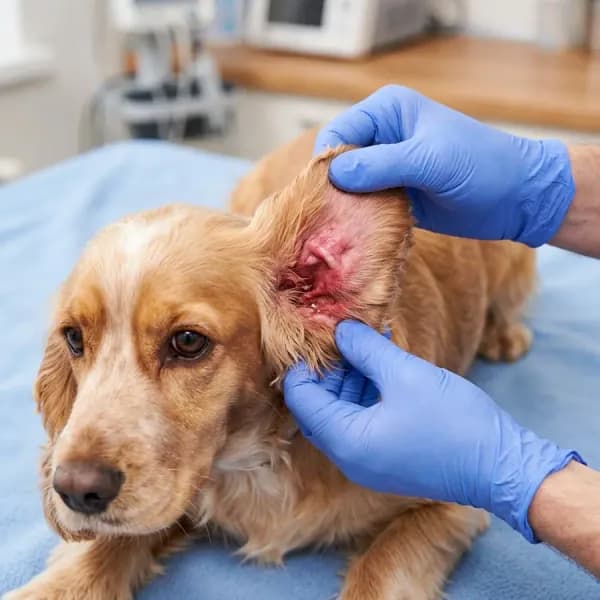
⚠️ Ear Safety Precaution: Place large dry cotton balls in both ears before wetting your dog. Getting water or medicated shampoo deep into the ear canal can trigger acute otitis externa.
7. The Missing Link: Why Topical Shampoos Aren't Enough
Medicated antifungal baths are incredible for treating existing fungal colonies on the surface of your dog's skin. However, topical shampoos cannot fix an internal yeast fire.
Over 85% of dogs with chronic, recurring yeast skin infections have an underlying food allergy. When dogs eat rendered poultry, corn, or high-glycemic starches, undigested proteins leak into the bloodstream, triggering systemic histamine surges. This alters the skin's sebum chemistry, providing endless fuel for yeast to return within 72 hours of bathing.
To achieve permanent, drug-free freedom from yeast, combine medicated bathing with a veterinary elimination diet and clean novel proteins like wild salmon or rabbit.
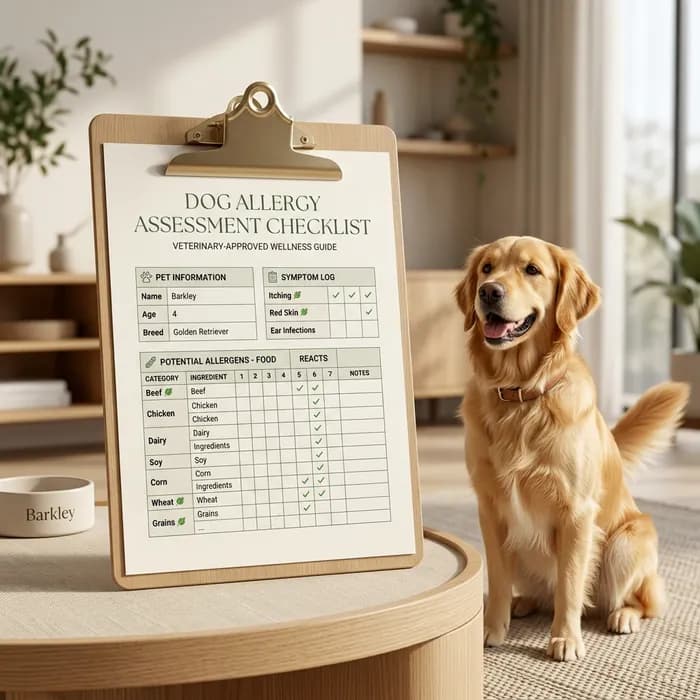
Get Your Free Dog Yeast & Allergy Assessment Checklist
Pinpoint whether your dog's itchy skin is triggered by yeast, bacteria, or dietary proteins in 3 minutes. Vet-approved protocol.
📥 DOWNLOAD FREE CHECKLIST NOW →🔒 100% Free • Instant PDF Delivery • Zero Spam