
- 1. What Is Apoquel Used for in Dogs & How Does JAK Inhibition Work?
- 2. Common Short-Term Apoquel Side Effects (Days 1 to 14)
- 3. Long-Term Side Effects of Apoquel in Dogs (Months 2 to 24+)
- 4. FDA Clinical Trial Adverse Event Data Table (Official Incidence Rates)
- 5. Does Apoquel Cause Cancer or Lumps in Dogs? (The JAK Surveillance Truth)
- 6. Apoquel 3.6 mg, 5.4 mg & 16 mg Side Effects: Why the Loading Phase Is Riskiest
- 7. The "Smoke Alarm" Trap: Why Stopping Apoquel Triggers Rebound Itching
- 8. Which Dogs Must NEVER Take Apoquel? (FDA Boxed Precautions)
- 9. The 3-Step Vet Protocol to Address Root Causes & Taper Safely
- 10. Frequently Asked Questions About Apoquel Side Effects in Dogs
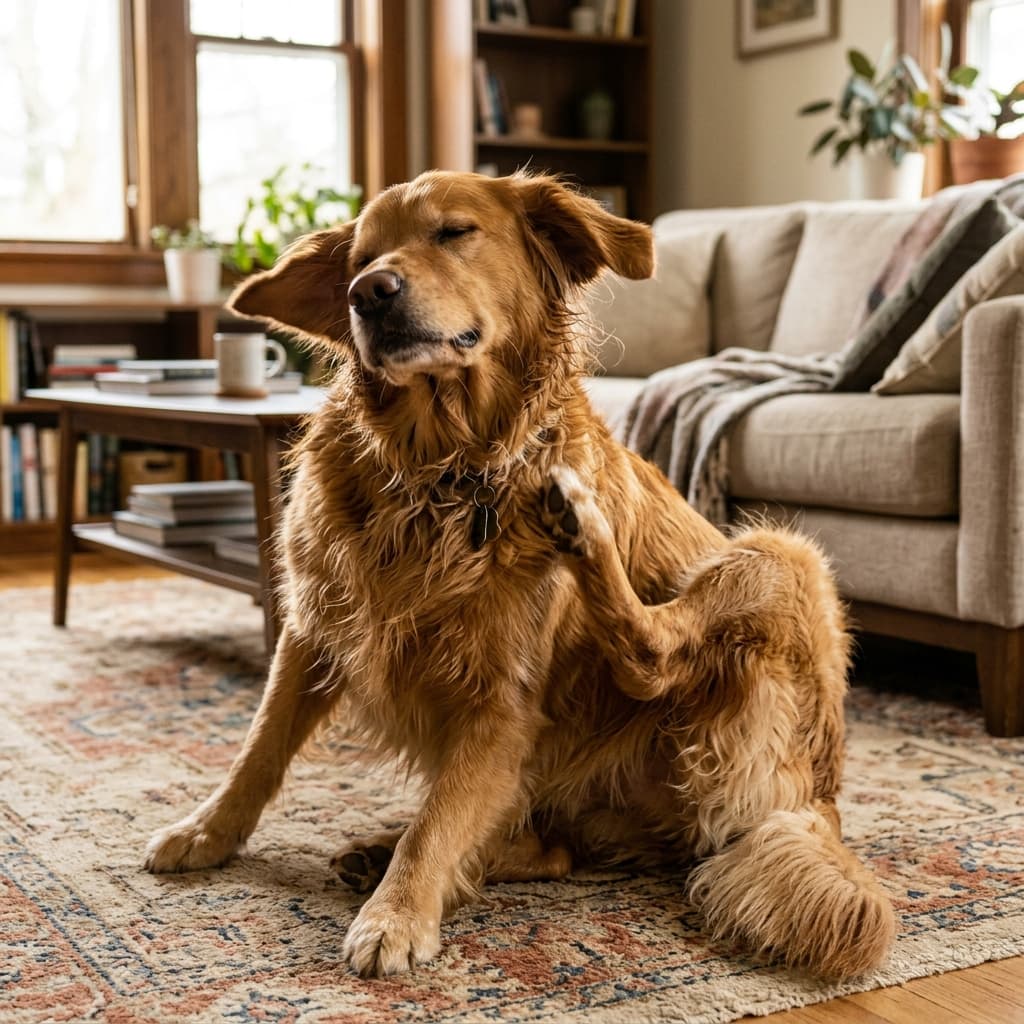
When your dog is scratching their skin raw at 3:00 AM, walking out of the veterinary clinic with a bottle of Apoquel (oclacitinib maleate) feels like a miracle. Within four hours of the first tablet, the frantic paw chewing and head shaking stop.
However, months later—when your dog develops mysterious interdigital paw cysts, recurring ear yeast infections, unexplained lethargy, or a $140/month prescription bill that never ends—you start researching apoquel side effects dogs. Here is the transparent, evidence-based clinical breakdown of how Apoquel alters canine immunity, what the official FDA safety trials revealed, and how to heal the underlying cause of your dog's itch.
What Are the Main Side Effects of Apoquel in Dogs?
In FDA registration trials (NADA 141-345), the most common short-term Apoquel side effects in dogs are vomiting (9.2%), diarrhea (6.0%), lethargy (5.4%), and appetite loss (3.6%). With long-term use, inhibiting JAK1/JAK2 immune enzymes increases the risk of skin lumps (histiocytomas/papillomas), interdigital paw cysts, yeast ear infections, UTIs, and lowered white blood cell counts.
Vomiting, soft stool, lethargy, polydipsia (thirst) & rare irritability.
Blocks JAK1/JAK2 cytokines, increasing yeast, staph & UTI susceptibility.
FDA label warns it may exacerbate pre-existing neoplastic conditions.
1. What Is Apoquel Used for in Dogs & How Does JAK Inhibition Work?
To understand why Apoquel causes systemic side effects, you first need to understand its mechanism of action. Unlike older steroids (prednisone) or antihistamines (Benadryl), Apoquel is a selective Janus Kinase (JAK) inhibitor.
When an allergic dog eats a trigger protein (like chicken) or walks through grass pollen, their immune cells release a messenger protein called Interleukin-31 (IL-31). IL-31 binds to nerve endings in the skin using the JAK1 enzyme to tell the brain: "Scratch now!" Apoquel disables the JAK1 switch so the brain never receives the itch message. However, Apoquel also partially inhibits JAK2 and JAK3—vital enzymes responsible for manufacturing white blood cells, red blood cells, and anti-tumor immune defenses.
2. Common Short-Term Apoquel Side Effects in Dogs (Days 1 to 14)
During the first two weeks of treatment (especially when dogs are given the twice-daily loading dose), pet parents most frequently report four acute side effects:
- Gastrointestinal Upset (Vomiting & Diarrhea): Affects nearly 1 in 10 dogs. Administering the tablet with a cooked meal reduces acute gastric irritation.
- Profound Lethargy & "Flat" Demeanor: Cytokines help regulate wakefulness and neuro-immune energy. Many owners report their dog sleeps excessively or loses interest in play during the first month.
- Polydipsia & Polyuria (Increased Thirst & Peeing): While less severe than prednisone, Apoquel can trigger increased water consumption and nighttime accidents.
- Behavioral Shifts (Restlessness or Aggression): Though less common, post-marketing pharmacovigilance reports document uncharacteristic irritability, anxiety, or reactivity in sensitive dogs.

Pinpoint Your Dog's #1 Food Allergy Trigger in 3 Minutes
Used by 12,400+ dog parents to tell food sensitivities apart from seasonal pollen—and see the exact kitchen foods to feed vs. ditch tonight:
🔒 100% Free Forever · Instant PDF Access on Next Screen + Sent to Your Inbox
3. Long-Term Side Effects of Apoquel in Dogs (Months 2 to 24+)
Apoquel was originally approved for acute relief, yet millions of dogs are kept on daily maintenance doses for years. When JAK1 and JAK2 signaling is chronically suppressed over months or years, secondary complications emerge:
4. FDA Clinical Trial Adverse Event Data Table (Official Incidence Rates)
Below is the documented adverse reaction data from Zoetis's FDA Freedom of Information Summary (NADA 141-345) tracking dogs on Apoquel up to Day 290+:
| Body System / Condition | Specific Side Effect Reported | Mechanism / Biological Cause | Clinical Monitoring Needed |
|---|---|---|---|
| Digestive Tract | Vomiting (9.2%), Diarrhea (6.0%), Anorexia (3.6%) | Direct mucosal irritation & gut microbiome dysbiosis | Give with food; monitor stool quality & hydration |
| Skin & Paws | Interdigital Furunculosis (Paw Cysts), Papillomas, Pyoderma (~12%) | Reduced IL-2 & IL-13 skin defense allows bacterial/viral growth | Inspect toe webbing weekly for red nodules or warts |
| Ears & Urinary Tract | Otitis Externa (Yeast Ears ~9.9%), Cystitis / UTIs (~11.3%) | Opportunistic Malassezia yeast & E. coli overgrowth | Urinalysis & ear cytology every 6 months |
| Hematology (Blood) | Decreased Leukocytes (Neutrophils/Eosinophils) & Globulins | JAK2 inhibition mildly suppresses bone marrow hematopoiesis | Complete Blood Count (CBC) & Chemistry panel every 6 mos |
| Neoplasia / Growths | Histiocytomas (6.5%), Mast Cell Tumors, Adenomas | Blunted NK-cell & CD8+ T-cell tumor surveillance | Palpate skin monthly; aspirate any new lump immediately |
5. Does Apoquel Cause Cancer or Lumps in Dogs? (The JAK Surveillance Truth)
One of the most urgent questions pet parents search is: "Does Apoquel cause cancer in dogs?" Let's separate internet rumor from molecular immunology:
Apoquel is not a direct mutagen—it does not damage healthy cellular DNA to create a cancer cell from scratch. However, your dog's body naturally produces rogue, mutated cells every single week. In a healthy dog, Natural Killer (NK) cells and cytotoxic T-cells—which rely on JAK1/JAK3 cytokine signaling—patrol the bloodstream and destroy these abnormal cells before they can form a tumor.
"Apoquel may increase susceptibility to infection, including demodicosis, and exacerbate neoplastic (cancerous) conditions." In the continuation clinical trial, new or benign/malignant skin masses (including histiocytomas, papillomas, and mast cell tumors) were observed in dogs receiving long-term therapy.
6. Apoquel 3.6 mg, 5.4 mg & 16 mg Side Effects: Why the Loading Phase Is Riskiest
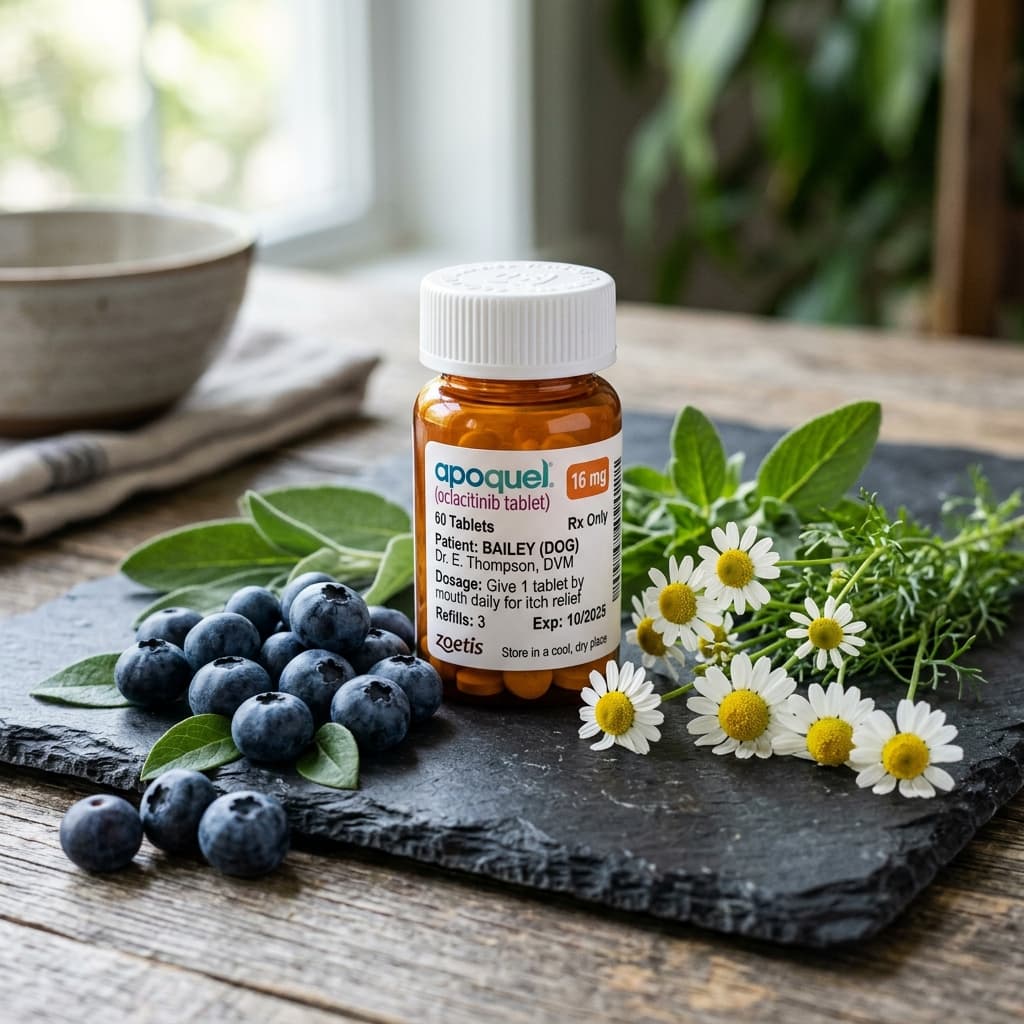
Apoquel comes in three tablet strengths: 3.6 mg, 5.4 mg, and 16 mg. Why do side effects spike so frequently during the first two weeks, or when dogs sit on the border between weight brackets?
At the standard once-daily (SID) maintenance dose (0.18–0.27 mg/lb), oclacitinib selectively prefers JAK1 over JAK2. However, during the 14-day twice-daily (BID) loading phase—or if a dog loses weight while remaining on a high 16 mg tablet—blood plasma concentrations rise high enough to spill over and inhibit JAK2, triggering bone marrow suppression, lethargy, and opportunistic ear or bladder infections.
7. The "Smoke Alarm" Trap: Why Stopping Apoquel Triggers Rebound Itching
Think of your dog's itchy skin as a smoke alarm ringing because there is a grease fire in the kitchen (an undiagnosed chicken or kibble starch allergy in their gut).
Giving Apoquel while continuing to feed inflammatory commercial kibble is like pulling the batteries out of the smoke alarm while pouring more oil onto the stove. The house is quiet, so you think your dog is healed—but beneath the surface, gut permeability, IgE antibodies, and skin yeast are multiplying. The moment a dose is missed by 6 hours, the unblocked nerve receptors are hit by a tidal wave of accumulated IL-31 cytokines, causing violent rebound pruritus.
8. Which Dogs Must NEVER Take Apoquel? (FDA Boxed Precautions)
Strictly contraindicated due to high risk of generalized demodectic mange and fatal bacterial pneumonia in immature immune systems.
Never administer JAK inhibitors to a dog with active or prior malignancy or undiagnosed skin lumps.
Must not be used in dogs with untreated deep bacterial pyoderma, systemic fungal infections, or pneumonia.
Reproductive safety has not been established in breeding canines.
9. The 3-Step Vet Protocol to Extinguish the Root Cause & Taper Safely
Never rip your dog off Apoquel cold turkey without a safety net! Instead, extinguish the internal fire first over 21 days so that when you and your vet taper the medication, there is no rebound flare waiting underneath:
- Weeks 1–3 (Remove the Dietary Spark): While still on your current maintenance dose, switch 100% away from poultry and commercial kibble to a clean novel-protein elimination diet (wild salmon or venison + sweet potato).
- Week 2 (Layer Natural Mast-Cell & Lipid Support): Introduce oral Quercetin with Bromelain (5–10 mg/lb daily), high-EPA wild fish oil, and 3x/week 50/50 Apple Cider Vinegar paw soaks.
- Week 4+ (Gradual Vet-Guided Taper): Once gut histamines have cleared for 21 days, work with your vet to step down the dose by 25%–50% every 7–10 days until your dog is comfortable and drug-free.
"Apoquel costs $1,200 to $1,800 every single year to mute the symptom—while a 21-day elimination diet removes the food trigger permanently."
Stop renting temporary silence from an immunosuppressant pill. Use our vet-reviewed 21-Day Canine Allergy & Elimination Diet Toolkit to identify your dog’s exact food triggers and restore their natural immune barrier.

Ready to Cook Safe, Balanced Meals That Stop the Itching?
Get the complete PawRoot Safe Starter Kit (5-Book Digital System): 10 vet-reviewed hypoallergenic homemade recipes, the 4-week elimination diet meal plan, breed-specific genetic guide, and printable symptom tracker logs.
🔒 Instant Digital Access · 30-Day 100% "Happy Paw" Money-Back Guarantee
10. Frequently Asked Questions About Apoquel Side Effects in Dogs (FAQ)
Q: Why did my dog develop red bumps between their toes while taking Apoquel?
Those swollen red nodules are called interdigital furuncles (paw cysts). Because Apoquel suppresses localized skin immunity while your dog walks on damp surfaces, hair follicles between the toes become infected with Staphylococcus bacteria and Malassezia yeast. Warm Epsom salt paw soaks help draw them out naturally.
Q: Is Cytopoint safer than Apoquel for dogs?
Cytopoint (lokivetmab) is a monoclonal antibody injection that neutralizes circulating IL-31 protein in the bloodstream without entering cells to block JAK1/JAK2 enzymes. While it avoids JAK2 bone-marrow suppression, it still masks the itch without fixing the underlying food allergy or gut inflammation.
Q: Can my dog take Quercetin and Omega-3s at the same time as Apoquel?
Yes! Quercetin with Bromelain, probiotics, and Omega-3 fatty acids work through nutritional mast-cell stabilization and lipid barrier repair—completely separate from the intracellular JAK pathway—making them ideal bridge supports while tapering.
Q: What blood tests should my vet run if my dog has been on Apoquel for over 6 months?
Request a Complete Blood Count (CBC) to check for leukopenia (low white blood cells/neutrophils), a comprehensive serum chemistry panel to monitor liver enzymes (ALT, ALP) and kidney values, and a routine urinalysis to rule out silent subclinical urinary tract infections.