
1. The Poultry Trap: How Clean Food Makes Dogs Sick
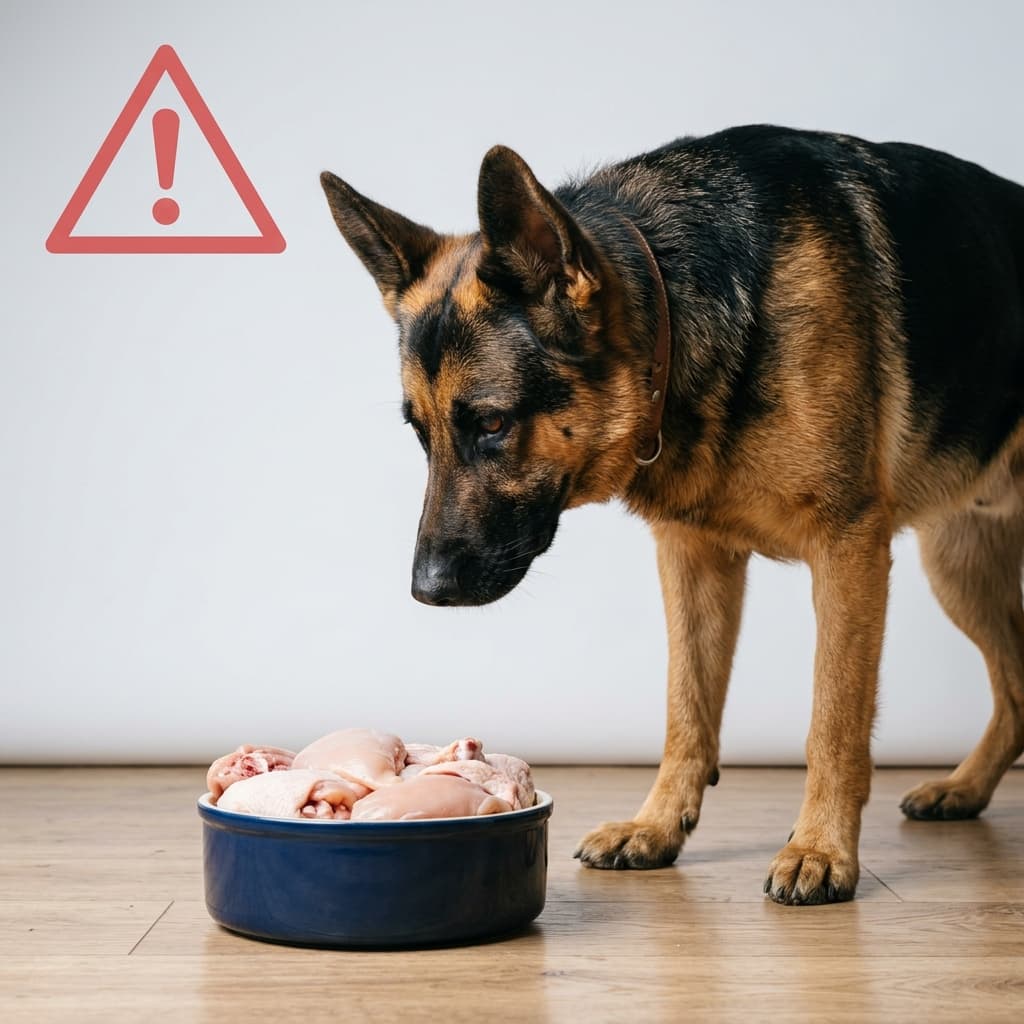
You feed your dog the highest-quality, veterinary-recommended chicken kibble, believing you are giving them the ultimate source of clean protein. Yet, their paws remain red, their ears are perpetually infected, and they chew themselves raw day and night. It feels completely counterintuitive, but the very food you are putting in their bowl could be the direct cause of their chronic suffering. The shocking truth is that processed chicken is the single most common food allergen in canine medicine today.
As pet owners, we are conditioned to believe that chicken is a gentle, hypoallergenic protein. But in the pet food industry, chicken is used as a cheap filler. It is sprayed with fats, baked into dry kibble, and hidden in almost every commercial treat, causing massive immunological overexposure.
When a dog's system is flooded with the same protein day after day, their immune cells begin to recognize it as a threat. They produce IgE antibodies, releasing waves of histamines that cause severe, chronic skin itching.
2. The Science: Why Chicken Triggers Canine Histamines
Why does a natural meat like chicken cause such severe reactions? The secret lies in the manufacturing process.
Commercial dry kibble is produced using a process called **extrusion**, where ingredients are subjected to extreme pressure and temperatures exceeding 200°C. This intense heat alters the delicate molecular structure of chicken proteins—a process called **protein denaturation**.
The dog's digestive tract fails to recognize these heat-damaged proteins. Instead of absorbing them as nutrients, the body treats them as dangerous foreign invaders. If the dog has a slightly compromised gut barrier (often due to glyphosate or starch fillers in kibble), these denatured proteins leak into the blood, triggering a systemic allergic reaction.
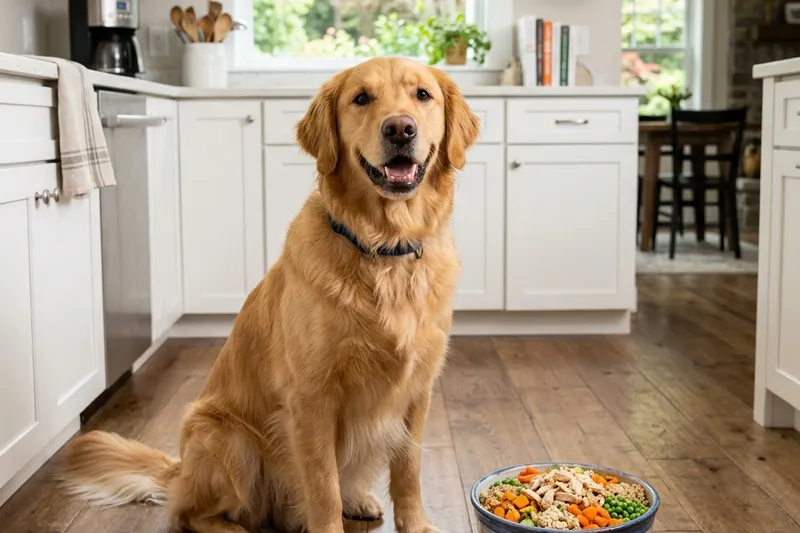
To avoid trace contamination, cooking fresh, single-source meals is highly recommended. The easiest way to formulate these meals correctly is by using the PawRoot Hypoallergenic Recipe Builder, which guarantees complete nutrient balance and helps you prepare clean homecooked meals.
3. 5 Classic Symptoms of Chicken Allergies in Dogs
If your dog is allergic to chicken, they will typically display a combination of skin and digestive issues. Look out for these five key signs:
- 1. Chronic Paw Chewing: Saliva contains compounds called porphyrins that turn white fur a dark, rusty pink when licked constantly due to itchy toes.
- 2. Recurring Ear Infections: Yeast and bacteria take over the warm, inflamed ear canal, producing dark brown wax and a strong odor.
- 3. Hot Spots & Rashes: Red, raw, oozing circular wounds on their neck, chest, or hips caused by intense scratching.
- 4. Stool Irregularity: Soft stools, diarrhea, or passing stool more than three times a day.
- 5. Excessive Gas: Rumbling bellies and foul-smelling gas shortly after eating their chicken kibble.
4. The 5 Best Novel Proteins to Feed Instead
To stop the allergic reaction, you must completely remove chicken and beef from their diet. Transition them to a **novel protein**—a clean meat source they have never eaten in their entire life.
🐟 Wild-Caught Salmon
Rich in clean Omega-3 fatty acids that actively repair the skin barrier and lower histamine production.
🦃 Clean Cooked Turkey
An excellent low-allergen poultry alternative that is highly digestible and gentle on sensitive stomachs.
🦆 Duck Meat
A rich, nutrient-dense protein that is highly tolerated by dogs suffering from severe chicken allergies.
🦌 Wild Venison
A completely clean, lean red meat free from agricultural antibiotics and industrial grains.
5. Case Study: Max's Recovery in Hamburg
Max, a 5-year-old German Shepherd from Hamburg, Germany, had suffered from raw, bleeding paws for three years. His owner, Klaus, fed him premium "sensitive skin" chicken kibble. Despite multiple Apoquel prescriptions, Max kept chewing his paws raw.
Klaus decided to completely remove chicken and grains. He transitioned Max to a home-cooked diet of steamed cod, zucchini, and quinoa. Within 14 days, Max stopped chewing his paws. His saliva staining faded, and by week 6, his paws were completely healed. The underlying "check engine" light was addressed, saving Klaus over €150 a month in vet meds.
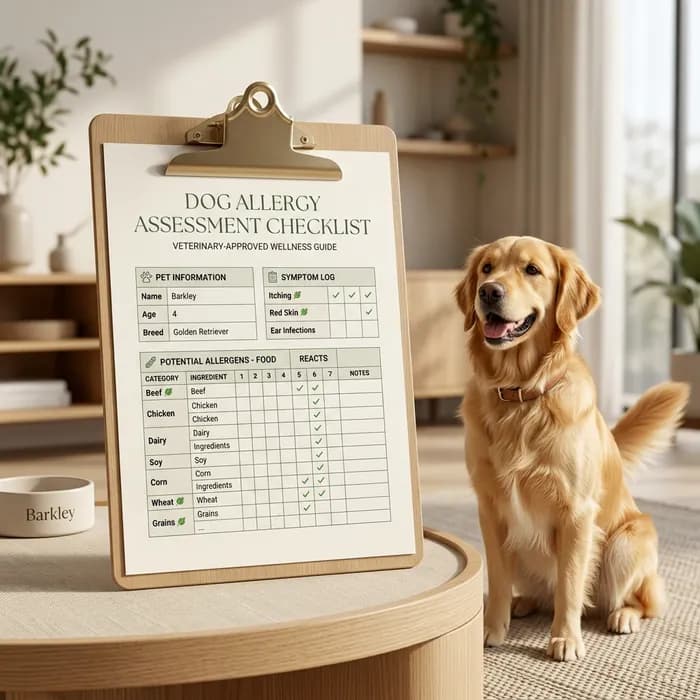
Get Your Free Dog Allergy Checklist
12,400+ dog parents used this to identify hidden triggers in 3 minutes. Enter your email for instant access.
📥 YES! SEND MY FREE CHECKLIST →🔒 No spam. Unsubscribe anytime. Instant delivery.